







This is one of the most common questions women have about reproductive health: Do I get a period when I’m on hormonal birth control? The short answer is no. While you may experience monthly bleeding, it isn’t a true menstrual period.
Instead, it’s known as withdrawal bleeding, which results from the drop in hormones, not from ovulation.
Choosing which hormonal birth control method to use is a highly personal decision, and the withdrawal bleeding process may differ based on which method you choose. Keep reading to understand what’s happening in your body during this time of the month.
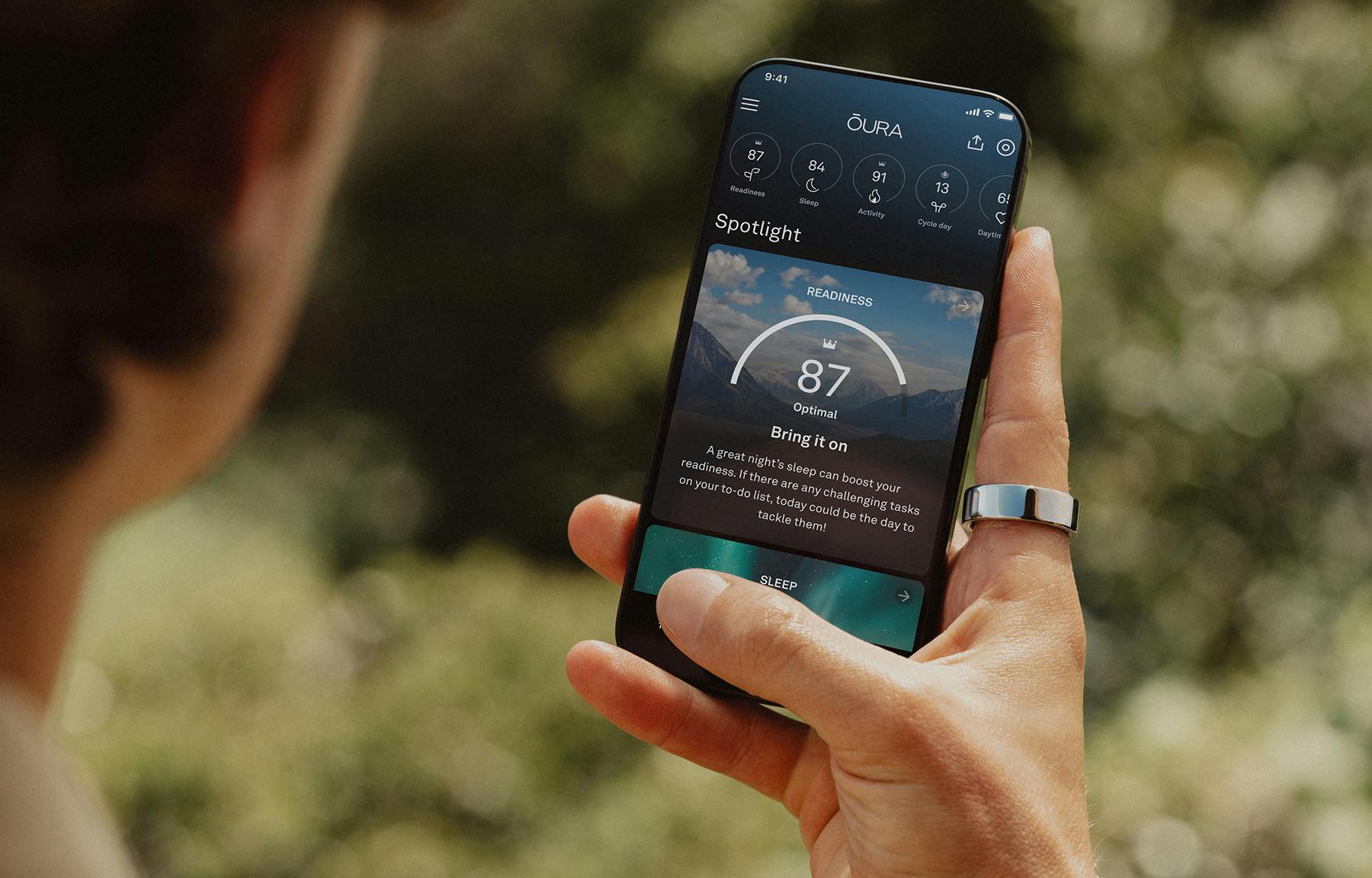
| Oura’s Cycle Insights experience now offers Hormonal Birth Control support, designed to help you track symptoms, predict bleeding, and better understand how hormonal birth control impacts your body on a personal level. |
What Causes Withdrawal Bleeding?
If you’re using a cyclic contraception method, which includes the pill, patch, or ring, you may take active hormones for three weeks, then go on a “break week” or take placebo pills.
During the three weeks of active hormones, the estrogen and/or progesterone keep your hormone levels steady. When you hit the placebo week, those levels decrease. This drop triggers the lining of your uterus to shed, leading to withdrawal bleeding.
In other words, withdrawal bleeding reflects your body’s response to the drop in hormones during a break from hormonal contraception, rather than an ovulatory cycle.
Another factor that can cause withdrawal bleeding is inconsistent use of a cyclic birth control method. Missing a pill or taking it even a few hours late can cause a dip in hormone levels, which can be enough to trigger a small amount of bleeding. Because of the dose of hormones in cyclic contraception, missing a day or two of medications is enough to lower hormone levels (and decrease effectiveness!) and trigger withdrawal bleeding.
What’s the Difference Between Withdrawal Bleeding and a Menstrual Period?
If you’re not on hormonal birth control, throughout the month your body makes estrogen, releases an egg (ovulation), and then produces progesterone. When no pregnancy occurs, those natural hormones drop, triggering the inside lining of the uterus to shed, which is called a period.
On the other hand, most hormonal birth control methods work by preventing ovulation. Since there is no egg released and no natural progesterone produced by the ovary, there is no “menstrual cycle” to complete. The bleeding is essentially a scheduled side effect of the medication.
| Why do we “bleed” on hormonal birth control, even though it’s not medically necessary? When the scientists first developed the original birth control pill in the 1960s, they designed it to be taken over a four-week cycle—three weeks “on” the pill and the fourth week off the drug (or on a placebo), which would allow for bleeding, which they called menstruation to make it seem familiar. This allowed the pill to be seen as more “natural,” and therefore, more acceptable to those who used the pills. |
What Is Breakthrough Bleeding?
On continuous hormonal birth control methods, such as the hormonal IUD, injection, or implant, you may experience what’s known as breakthrough bleeding, which is commonly associated with these methods.
Breakthrough bleeding may also happen more often with low-dose and ultra-low-dose birth control pills. It’s very common, and for many improves or resolves within two to six months.
Unlike a period or a withdrawal bleed, breakthrough bleeding isn’t a response to a drop in hormones. Instead, it’s usually a sign that your body is still calibrating to hormone levels.
Why Does Breakthrough Bleeding Happen?
The progestin in birth control works to keep the lining of your uterus (the endometrium) very thin. In the first 3 to 6 months of starting a new method (like a low-dose pill or a hormonal IUD), that lining can become slightly unstable as it thins out.
As a result, small pieces of the lining may shed prematurely, resulting in light bleeding or brownish discharge.
Other factors that can “trigger” breakthrough bleeding include:
- Continuous Use: If you skip your “break week” to avoid a bleed (stacking active packs) or your brand of pills already comes without any placebo week, that can lead to a bit more breakthrough bleeding.
- Smoking: Research shows that smokers are more likely to experience breakthrough bleeding because nicotine can affect how the liver metabolizes estrogen.
When Should I See a Doctor?
While breakthrough bleeding is usually harmless, you should check in with a provider if the bleeding lasts for more than six months, is heavy (soaking a pad per hour), is accompanied by severe pain, or if it starts again suddenly after a long time of having no bleeding on the same method.