

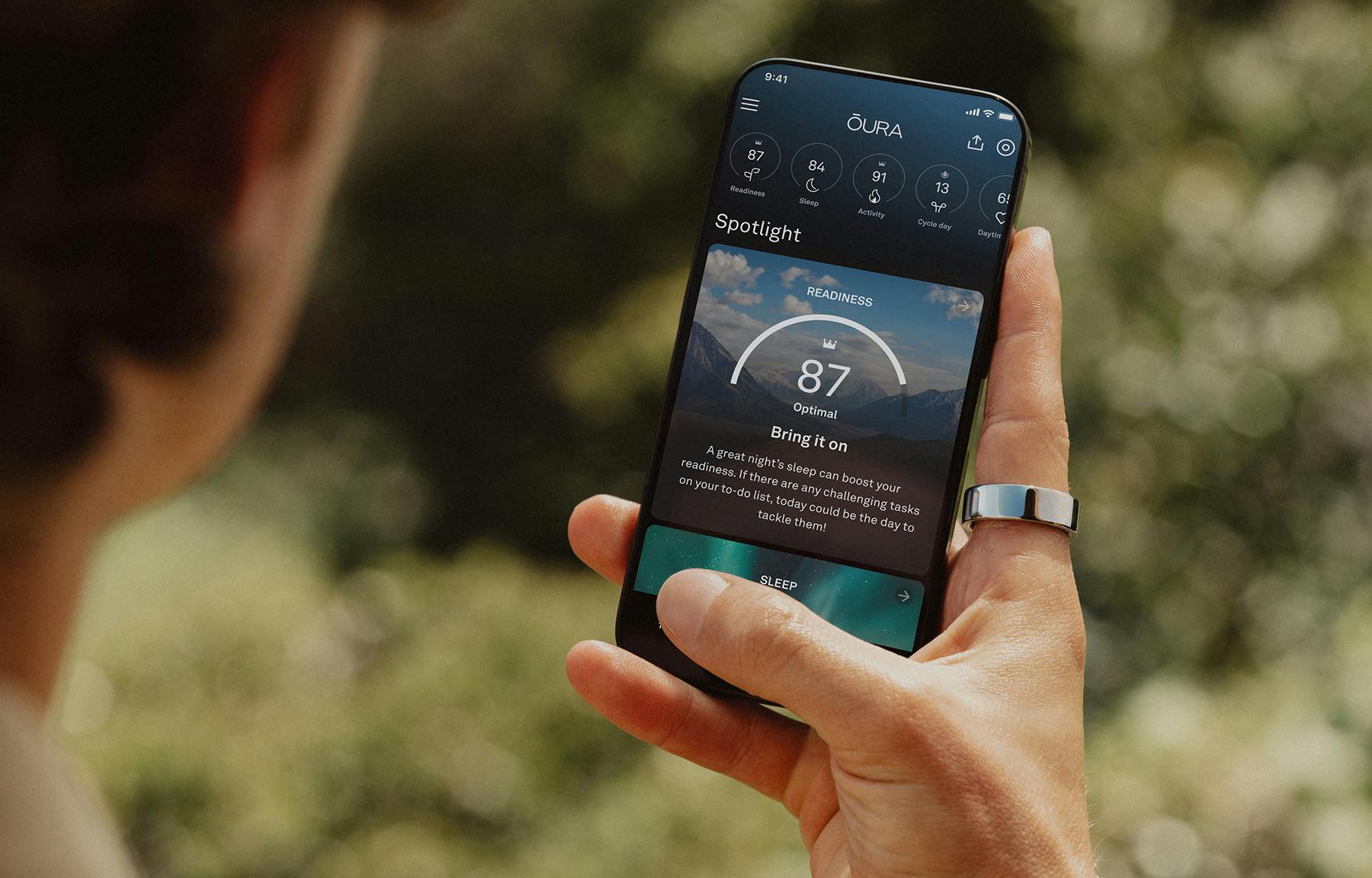



Today, Oura announced two new experiences in the Oura App to better support women’s health at every stage: Hormonal Birth Control in Cycle Insights and Menopause Insights.
Offering clinically grounded information alongside continuous biometric sensing, these updates validate women’s experiences and provide clear, personalized guidance during complex hormonal changes.
These features are available globally to Oura Ring Gen3 and Oura Ring 4 Members.
“By connecting hormonal context to the biometric data Oura already tracks, we’re giving women visibility, language, and evidence they’ve never had at this scale.” — Holly Shelton, Chief Product Officer at Oura
Hormonal Birth Control Support in Cycle Insights
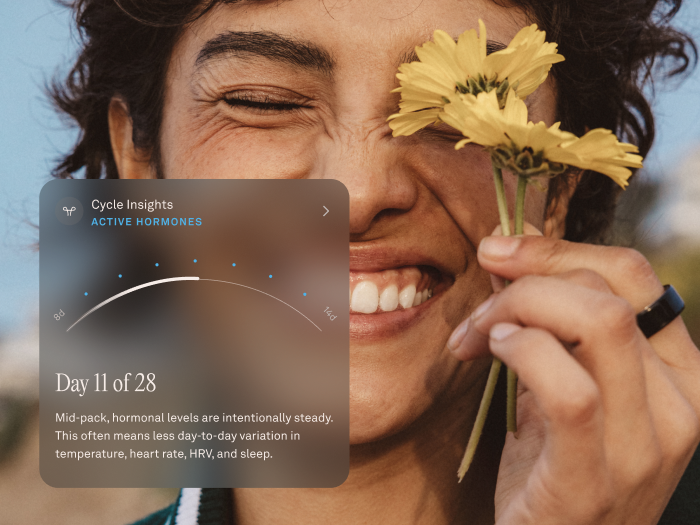
Whether it’s the pill, an IUD, or the patch, more than 300 million women around the world rely on hormonal birth control. Yet for many people, the tools they rely on for support feel disconnected from what their bodies are actually going through day to day.
Oura is changing that with a first-of-its-kind hormonal birth control experience integrated directly into Cycle Insights, providing a personalized window into how your specific contraceptive choice interacts with your body.
- Detailed biometric data: Oura pairs your selected method with your continuous data to provide context into how hormones shape your unique metrics.
- Support for a wide range of methods: From the patch to the pill and IUDs to implants, you can select your specific hormonal birth control method to receive tailored education and context about your choice.
- Symptom tracking: Log symptoms, track bleeding, and start conversations with Advisor to better understand what is “normal” for you—allowing you to flag meaningful changes and make informed choices.
Plus, through a new partnership with Twentyeight Health, Oura Members in the United States can conveniently and seamlessly connect with a licensed provider in the Oura App who can help them find the birth control that’s right for their goals and their body—and get a prescription, if needed.
RELATED: 5 Questions to Consider When Choosing a Birth Control Method
Menopause Insights: Making Sense of Symptoms
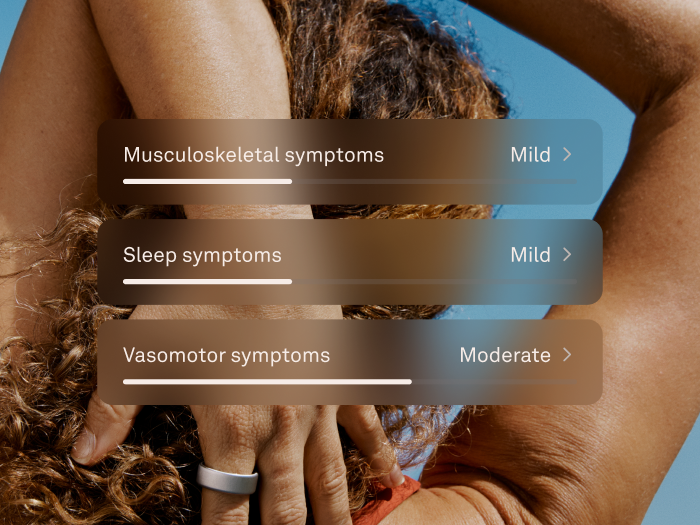
Perimenopause affects millions of women worldwide, yet this stage of life has long been-under addressed by healthcare, and as a result, is often met with confusion. Oura’s new Menopause Insights feature is designed to validate your experience and provide a roadmap through the change.
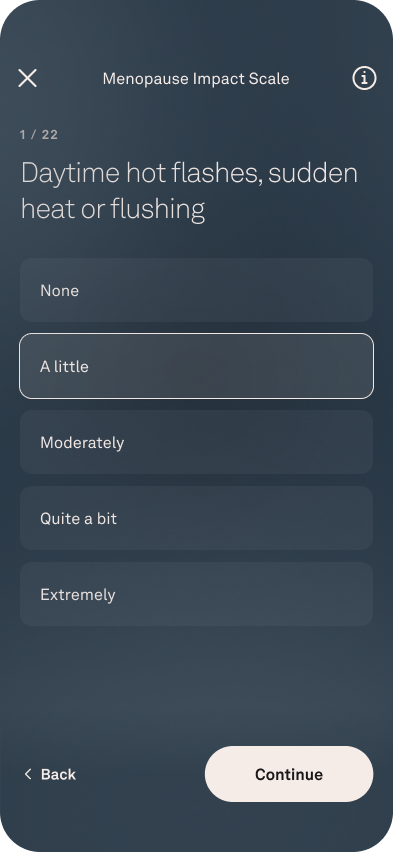 Central to this experience is the Menopause Impact Scale (MIS), a research-backed questionnaire developed by Oura that measures the impact on quality of life and daily functioning across 22 symptoms.
Moving beyond a simple score, the MIS provides a fully personalized, on-demand explanation of results, based on your personal responses and longitudinal biometric data. This results in a clearer picture than tracking symptoms alone, along with:
- Actionable explanations: Oura generates a personalized, on-demand explanation of your results, grounded in your responses and biometric data.
- Physiological trends: See exactly how symptoms are impacting different physiological systems and how they correlate with biometric trends like heart rate variability (HRV) or sleep disturbances.
- Get a long-term view: Track your progress over time to see how lifestyle adjustments—like changes in sleep hygiene, medication, or stress—actually improve your day-to-day well-being.
LEARN MORE: How Oura Can Help You Manage Perimenopause
Strengthening Our Leadership in Women’s Health
These new features mark the latest additions to Oura’s robust women’s health suite. Over the past several years, Oura has steadily expanded our women’s health offerings to include Cycle Insights, Fertile Window, Pregnancy Insights, and a proprietary, women’s health AI model. Together, these turn the Oura App into a scientifically grounded women’s health companion across all life stages.
Additionally, through research collaborations and partnerships with leading health platforms, Oura has solidified our position as a leader in women’s health at a time when women are still widely underserved by traditional health systems and health technology.
RELATED: Oura’s Commitment to Women’s Health