



Research on cycle-syncing is mixed, and there’s no evidence-based rule for which workouts belong in which phase.
Energy levels, mood, and motivation can shift throughout the month. You can use your biometric wearable data to better understand your body and inform your lifestyle habits. Specifically, with the Cycle Insights feature in the Oura App, you’ll be able to accurately predict your period and know where you are in your cycle.
What Are the Phases of Your Cycle?
The exact duration of each phase differs from person to person. In fact, the idea that a menstrual cycle is 28 days long has been shown to be a misconception, as evidenced here through Oura data.
There are two main phases of the menstrual cycle:
- Your follicular phase (which includes menstruation and ovulation) begins on the first day of your period, when the uterine lining sheds. Ovulation is around the midpoint of the cycle, during which a surge of luteinizing hormone (LH) triggers the release of the mature egg from the ovary.
- Your luteal phase starts after ovulation when the empty follicle becomes the corpus luteum and produces progesterone. This prepares the lining for a possible pregnancy and slightly raises your body temperature. If the egg isn’t fertilized, the corpus luteum breaks down after about 10 to 14 days, hormone levels fall, and your period begins the next cycle.
READ MORE: Busting the 14-Day Ovulation Myth
Meet the Hormones of the Menstrual Cycle
There are three main hormones involved in the menstrual cycle: progesterone, estrogen, and luteinizing hormone (LH). The levels of these hormones fluctuate throughout the menstrual cycle, depending on which phase of the cycle you’re in.
During the follicular phase, levels of estrogen, progesterone, and LH start low and steadily increase up until ovulation. The surge of LH is what triggers ovulation.
Your luteal phase begins after ovulation. Midway through the luteal phase, progesterone and estrogen spike. The high levels of progesterone thicken the lining of the uterus and prevent contractions.
Eventually, progesterone and estrogen start to decline, breaking down the top layers of the uterine lining, and are shed in the form of menstrual bleeding to start a new cycle.
When your period arrives, the levels of progesterone and estrogen are at their lowest.
READ MORE: How Your Menstrual Cycle Impacts Your Entire Body

Hormonal Fluctuations and Behavior Change
Hormones influence everything from metabolism to sleep, and shifts in estrogen and progesterone across your cycle can affect mood, energy, and appetite. That’s why at certain points in your menstrual cycle, you might notice a shift in how you feel and perform. It’s completely normal!
As many as 90 percent of people with menstrual cycles notice at least some premenstrual symptoms, such as fatigue, food cravings, mood changes, or bloating. The low levels of progesterone and estrogen when your period starts can make you feel tired and lethargic, potentially impacting your strength and motivation to exercise.
RELATED: Researchers Use Oura to Study Changes Driven By The Menstrual Cycle
What Is Cycle Syncing?
Cycle syncing is the idea that you should adjust your workouts, and often your diet and daily routines, to the phases of your menstrual cycle. The term took off around 2021, when fitness influencers and athletes began sharing cycle-synced routines on social media. Since then, it’s become one of the most talked-about approaches to women’s fitness. But is there enough research to back it up?
The Research Behind Cycle Syncing
There are many factors that can affect your exercise performance or motivation beyond your hormones—for instance, sleep, stress levels, and current fitness levels. That’s why cycle syncing may not be beneficial for all individuals with menstrual cycles.
Only a handful of studies have tested cycle-syncing directly, and most were small. They generally involved young women doing strength training, with more sessions scheduled in the follicular phase than the luteal phase. A 2023 review of the evidence found no convincing case for changing your training by cycle phase. For most people building a healthy routine, the more useful approach is learning how your own body responds.
A meta-analysis published in Sports Medicine in 2020 used 51 studies to examine whether a menstrual cycle phase affected exercise performance. The analysis indicated a “trivial reduction” in exercise performance during menstruation and no significant changes during the luteal phase (which is when PMS typically hits). Nonetheless, the researchers conclude that a “personalized approach must be taken based on each individual’s response to exercise.”
Using Cycle Phases To Better Understand Your Body
Regardless of where you are in your cycle, if you don’t feel like working out, it’s important to listen to the cues of your body. Overexerting yourself can impact your overall readiness for the day and your body’s ability to regulate and recover over time.
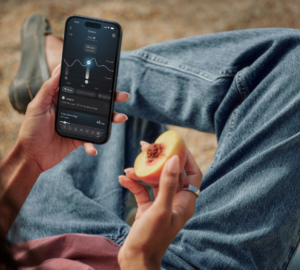
Your Oura data can help inform your training decisions. If your sleep has been affected by some painful cramps, for instance, your Sleep Score and Readiness Score may be lower, signaling it’s time to prioritize recovery.
You can use Oura’s Cycle Insights alongside other biometrics like sleep and stress to help inform your choices, rather than dictate them. You might feel inspired to experiment with different types of exericse during phases where you typically have more energy, or prioritize earlier bedtimes when your data suggests a tendency for less restful sleep.
What Movement Could You Experiment With?

There’s no proven “best” workout for any phase of the menstrual cycle, and you don’t need to change anything if you feel steady all month. But if you notice your energy shifting, the ideas below are potential starting points. Treat them as experiments, and let your own data and how you feel make the decision.
When You’re Feeling Energized
If your energy is high and your Readiness Score is Good or Optimal, it may be a good day for higher-effort training, such as:
- Strength training
- High-intensity interval training
- Longer or faster cardio sessions
Some people notice they feel strongest in the first half of their cycle. One 2014 study of 20 women found greater strength gains when most training sessions were scheduled in the follicular phase. But studies like it are small and often didn’t confirm which phase participants were in, so let your own energy lead rather than the calendar.
Warm up properly, and increase weights or intensity gradually rather than all at once. This can matter around ovulation in particular, when some research suggests hormonal changes may loosen joints and affect muscle control.
When Your Energy Is Lower
If you feel sluggish, or your Readiness Score suggests prioritizing recovery, lighter movement still counts. Consider:
- Low-to-moderate-intensity cardio, such as walking or easy cycling
- Yoga
- Pilates
For some people, lower-energy days can occur right before their period. After ovulation, your body temperature, resting heart rate, and breathing rate typically rise, and research suggests cardiovascular strain during exercise may be higher, so the same workout can feel harder. Some people also notice lower energy and motivation or increased hunger in this phase.
Gentle movement can also help on days with cramps or low mood. Exercise releases feel-good neurotransmitters like endorphins, serotonin, and dopamine, and has been shown to ease menstrual cramps. In a 2013 study, women who did aerobic exercise three times a week saw a reduction in PMS symptoms.
Frequently Asked Questions About Women’s Health Tracking
How can you use data about your menstrual cycle to inform your exercise routine?
You can use health data to help you make lifestyle decisions. For example, if you slept poorly, you may have less energy to do intense exercise that day. There’s no scientific reason as to why you should change your workout based on your menstrual cycle, but it can help you better understand your energy, sleep, stress, and activity levels. Listening to the cues of your body is the best directive.
What is the best wearable for tracking women’s cycles?
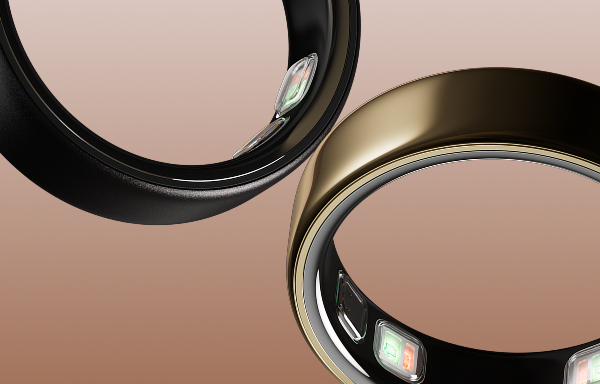
Oura Ring is very useful for women’s cycle tracking due to its continuous, highly accurate finger temperature sensing. It also integrates smoothly with apps like Natural Cycles to predict cycle phases, ovulation, and upcoming periods.