






Obstructive sleep apnea (OSA) affects approximately 30 million people in the United States, and yet an estimated 80% of those are undiagnosed. Many Americans over the age of 65 experience symptoms that are often normalized as part of aging, like excessive daytime fatigue, morning headaches, and disrupted sleep, rather than recognized as signs of disordered breathing. OSA frequently goes undetected for years due to gender differences in presentation and assumptions that tiredness is a result of a busy life.
The downstream consequences are serious. Untreated OSA is associated with elevated cardiovascular risk, including hypertension, atrial fibrillation, and heart failure. There is emerging evidence that OSA in aging populations may contribute to sarcopenia, impaired balance, and falls, as well as mental health conditions like depression, anxiety, and impaired cognition. From a cost perspective, undiagnosed OSA is also associated with higher rates of emergency department visits and hospitalizations.
Against this backdrop, Medicare Advantage plans face mounting pressure to close care gaps proactively rather than waiting for members to self-report symptoms. Star ratings, member experience scores, and chronic disease management programs all reward early identification and effective care coordination, precisely what a well-designed OSA screening program can deliver.
RELATED: Essence Healthcare, Oura expand partnership to sleep apnea detection
Starting Point and Strategic Goals
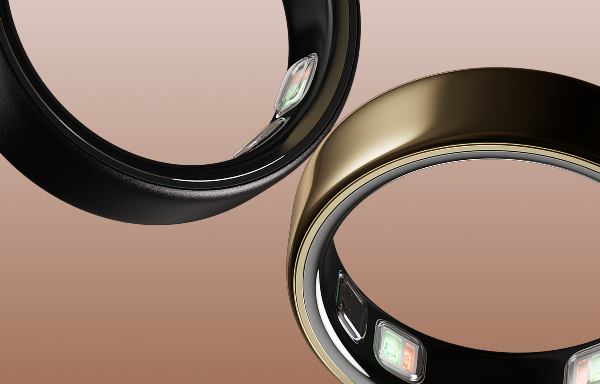
Essence Healthcare is a Medicare Advantage plan committed to delivering high-touch, personalized care to its members. Beginning in the 2025 benefit year, Essence introduced Oura Ring and Oura Membership as a covered supplemental Fitness & Wellness benefit, a move designed not just to differentiate its MA offerings, but to unlock a new layer of consistent, member-generated data and insights for health management.
The strategic goals behind this benefit are threefold: differentiate Essence MA plan with a technology-forward, high-engagement benefit that appeals to adults aged 65 years and older; leverage consistent health data and insights to identify at-risk members earlier than traditional clinical workflows allow; and increase member engagement and retention.
Sleep apnea screening using metrics gathered by Oura’s wellness sleep features emerged quickly as the ideal first clinical use case. The condition is prevalent and associated with significant healthcare costs. (In a national Medicare sample, older adults with untreated OSA had mean total annual costs of about $19,566 in the year before diagnosis, versus matched controls.)
“Sleep apnea is common, often underdiagnosed and can meaningfully affect a member’s cardiovascular health, energy, cognition and quality of life. For many older adults, symptoms like poor sleep or daytime fatigue are easy to dismiss as part of aging. By using Oura insights as an early signal, we can help identify members who may benefit from further evaluation and connect them back to their physician.”
Chief Medical Officer, Essence Healthcare
Under-Diagnosed Sleep Apnea, Over-Burdened Workflows
Translating Oura sleep data into clinical action requires solving three interconnected problems simultaneously.
Clinical challenge
Traditional detection depends on in-clinic symptom questioning and a referral for a sleep study, a pathway that is slow, resource-intensive, and often initiated only after a member reports severe symptoms. By then, years of cardiovascular and metabolic harm may already be accumulating.
Operational challenge
Primary care physicians have limited visit time and inconsistently administer structured sleep apnea screeners like STOP-BANG. Health plans face a parallel problem: most don’t know what is happening in their member’s lives outside of the clinical billing reports they receive. Even when member data suggests elevated risk, there is no scalable mechanism to prioritize outreach, administer validated screening tools, and route results to the right provider, without significantly burdening already-stretched clinical staff.
Engagement challenge
Outreach from unfamiliar numbers or AI-assisted calls can feel intrusive, especially for older adults who are appropriately cautious about privacy and scams. Any program triggering a call or message based on wearable data must be designed to build trust first: members need to know who is contacting them, why, and that control over care decisions stays with their clinician.
Program Design: Essence, Oura, and Tom
The Essence sleep apnea program brings together three organizations with distinct, complementary roles.
Partners and Roles
- Essence Healthcare: serves as program lead, defining outreach criteria, benefit design, and accountability for member experience and clinical appropriateness. Essence’s Physician Advisory Board, a cohort of physician champions and clinical leaders meeting regularly with the Oura team, guides how the program operates in practice, from screening workflows to how results are delivered to providers.
- Lumeris’s Tom platform is an AI-powered assistant that serves as one channel for structured outreach and validated screening, supporting the program’s goal of connecting identified members to their physicians.
- Oura provides Oura Ring, Oura App, and longitudinal health data and insights, including nocturnal SpO₂ and Breathing Disturbance Index (BDI) data which inform which members to prioritize for outreach.
Benefit Enrollment and Data Sharing
Eligible Essence MA members are offered Oura Ring and Oura Membership as a covered supplemental benefit. Members who choose to participate can opt to share their Oura data with Essence and Tom for use in care programs such as sleep apnea screening.
From Wellness Signal to Physician Connection: A Five-Step Workflow
Step 1 – Sleep data from Oura
Members wear their Oura Ring on average 23.5 hours per day and night. For the Essence members who consent to share their data, Oura delivers the Breathing Disturbance Index to Essence via enterprise API, flagging patterns of frequent nocturnal breathing disturbances that may be consistent with sleep-disordered breathing, among other causes. Importantly, BDI is a wellness signal, not a diagnosis. Essence uses it as one input among several when deciding which members to prioritize for outreach.
Step 2 – Threshold-based prioritization
Essence and Lumeris define the thresholds and rules governing when outreach is initiated. The current program targets members with a BDI metric of an average of 15 or greater occurrences per hour, per night, a threshold chosen to identify members most likely to benefit from evaluation.
Step 3 – Trust-building, coordinated outreach
Essence is committed to reaching all members identified through the program and connecting them to their physician, regardless of communication channel. Currently, when an Essence member meets outreach criteria, they receive coordinated communication designed to build trust before the AI call arrives. On Day 1, a pre-call text message is sent, identifying Tom as an AI assistant that is part of the Essence care team, explaining the purpose of the upcoming call, and providing the phone number so members can recognize it. Tom then places the call on Day 2, with up to two additional attempts on Days 3 and 4 if needed.
Step 4 – Structured STOP-BANG screening via Tom
Tom walks members through the validated STOP-BANG questionnaire, the standard tool for assessing OSA likelihood. The interaction is available via phone call or text, giving members choice. Members remain in full control throughout, they can decline, pause, or ask questions. Essence’s Physician Advisory Board shaped this screening workflow and continues to gather feedback from providers and members on the clinical experience.
Step 5 – PCP notification and care coordination
Once a member completes the STOP-BANG screening, results are shared with their primary care provider in a format shaped by Essence’s Physician Advisory Board. Members are told to expect their care team to reach out with next steps within 5-10 business days. For members who screen positive but do not have an attributed PCP on file, the Essence Care Management team steps in directly to ensure every positive screen leads to a physician connection.
Essence Member Sleep Data Signals
Essence leveraged the Oura Breathing Disturbance Index (BDI) algorithm which monitors breathing patterns during sleep, and provides an average number of these events per hour of sleep, summarized nightly (e.g., BDI = 8 means eight events per hour.)
Oura analysis of nighttime sleep data for Essence members, benchmarked against a demographically-matched control group (gender, age, weight, height, location), reveals that breathing disturbances as measured by Oura’s Breathing Disturbance Index (BDI) are more prevalent in the Essence population than in comparable non-Essence adults:
- Severe BDI (≥30 average events per hour): 6% of Essence members vs. 4% of control group
- Moderate BDI (15-30 average events per hour): 27% of members vs. 14% of control group
- Mild BDI (5-15: average events per hour): 56% of members vs. 57% of control group
- Normal BDI (<5 average events per hour): 11% of members vs. 25% of control group
These differences suggested a basis for exploring whether wellness data from wearable devices like Oura Ring could be used by providers to help screen and signal possible sleep apnea earlier and avoid downstream associated negative health outcomes and medical costs. For a Medicare Advantage plan, this gap between population burden and formal diagnosis represents a care gap that proactive, data-driven programs are designed to close.
Takeaways for Medicare Advantage Programs
Essence’s early experience, from benefit launch through active program enrollment, offers five practical takeaways for MA plans exploring AI-enabled, wearable-integrated care programs.
Start with one high-yield use case and a clearly defined population
Trying to do too much at once undermines focus and makes attribution harder. Sleep apnea was an ideal first target: prevalent, under-diagnosed, clinically meaningful, and addressable through Oura health data. A BDI threshold of 15+ average events per hour of sleep, summarized nightly, provided a concrete entry point for outreach.
Invest early in trust and coordinated communication
The Day 1 pre-call text, which named Tom as an AI assistant, explained the purpose, and provided the phone number, was a deliberate trust-building step before any screening interaction. Outreach that feels unexpected or opaque will be ignored or rejected. Aligning the plan, the outreach channels, and the wearable messaging into a single coherent narrative is essential, and the commitment to reach all identified members matters more than any single channel.
Keep diagnosis firmly in clinical hands
Oura captures 50+ health and wellness metrics and insights but is not a diagnostic tool. Essence uses these metrics to prioritize who gets outreach, not to tell members they have sleep apnea. Every positive STOP-BANG result routes to a PCP for clinical evaluation. This boundary is both ethical and clinically appropriate: it avoids overreach while ensuring proper accountability. Essence’s Physician Advisory Board reinforces this boundary in practice, reviewing how screening results are summarized and delivered to PCPs and gathering direct feedback from providers on the clinical experience.
Close the loop for members without a PCP
Positive screens are only valuable if they lead to action. Essence explicitly designed a pathway for members who lack an attributed PCP: the Care Management team steps in to provide a referral. This prevents the program from inadvertently creating health equity gaps, where members with less access to primary care are identified but not supported.
Commit to transparency on outcomes
Publishing both successes and lessons learned, including what thresholds worked, what engagement rates were achieved, and where drop-off occurred, will build credibility.
Looking Ahead
Beyond sleep apnea, Essence views this program as a proof of concept for a broader AI-enabled, wearable-integrated care model. The combination of member-generated, longitudinal data, scalable AI outreach, and structured clinical handoff is applicable to other high-priority conditions in the MA population, particularly cardiometabolic risk, fall prevention, and activity-related chronic disease management.
Essence’s experience serves as a blueprint: a covered wearable benefit, consented data sharing, physician-guided program design, validated screening, and closed-loop care coordination that connects every identified member to their physician. The infrastructure is in place. The question is which clinical opportunity to address next.
“This program shows what is possible when health plans, clinicians and technology partners work together around a shared goal: helping members get the right support sooner. Oura provides meaningful health insights, Tom helps turn those signals into structured outreach, and physicians remain at the center of care decisions. We see this as a model for more proactive, personalized care.”
Chief Medical Officer, Essence Healthcare
Oura Ring is not a medical device and is not intended to diagnose, treat, cure, monitor, or prevent medical conditions or illnesses. Please do not make any changes to your medication, nutrition, or workouts without first consulting your doctor or another medical professional.