





When the afternoon slump strikes, a nap can give you the energy boost you need – but how long is a nap, ideally? The ideal nap is 10 to 30 minutes — long enough to lift your alertness for a couple of hours, and short enough to wake before you fall into deep sleep.
Everyone could benefit from a boost in alertness, especially when your sleep has been disrupted or when you’re feeling drowsy during the 3 pm slump. Here, find out what makes you feel sleepy in the afternoon, and how long you should nap to maximize the benefits.
Oura’s Nap Detection feature tracks your napping habits and factors them into your daily Readiness Score. We know that sleeping patterns are diverse, but all sleep counts.
Why You Need to Nap
Whenever you’re awake, a neurotransmitter called adenosine accumulates in the brain, as a by-product of brain cells firing. Adenosine molecules bind to receptors, slowing the brain cells down, making you feel sleepy. You can imagine this process as an hourglass that fills up during the day, increasing your drive to sleep, then flips over and empties overnight.
In contrast, your body clock, or circadian rhythm, completes a cycle once every 24 hours, and influences your drive to stay awake. Your sensations of sleepiness or alertness are the outcome of the interaction between your sleep drive and wake drive.
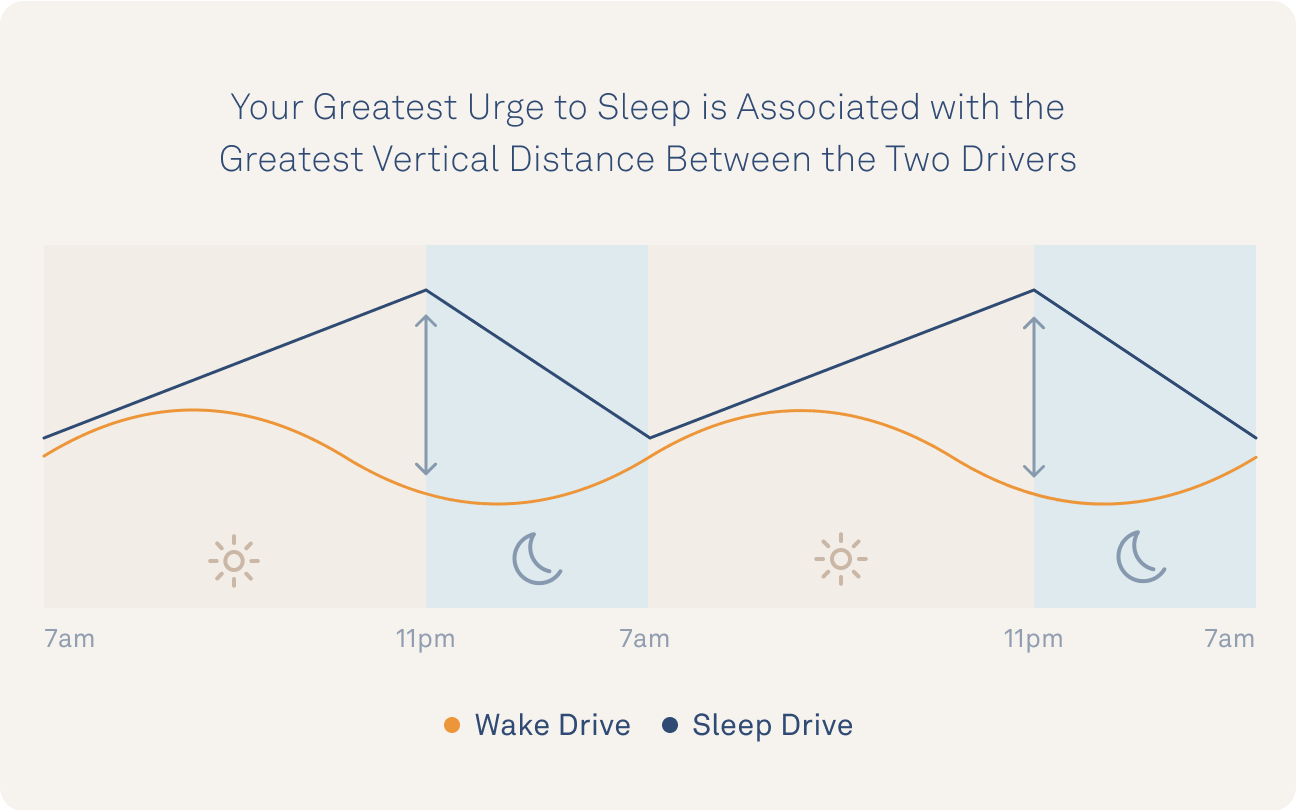
In other words: Your greatest urge to sleep occurs when your sleep drive approaches its maximum, and your wake drive is at its weakest. Ideally, this urge should coincide with the late evening. However, if you haven’t slept enough, we can begin the day without having completely “emptied” your sleep timer.
Consequently, by the time you hit mid-afternoon, the gradual drop in wake drive interacts with your higher-than-normal sleep drive and makes you crave a nap to recharge.
READ MORE: Why Am I Tired? How to Stop Feeling Sleepy in the Afternoon
Why Naps Are Good For You
Taking a nap is like flipping over the hourglass. As you sleep, the sand runs in the opposite direction, and sleep pressure reduces. Even if you don’t feel sleepy before taking a nap, it can still provide a boost in alertness and performance.
Research shows a nap can:
- Improve cognitive performance, specifically word recall and executive functioning
- Improve mood, emotional regulation, and stress reduction
- Support overall physical health
- Increase creativity
- Boost immune function
READ MORE: Naps Around the World
How Long is a Nap, Ideally?
According to research, 10 to 30 minutes is the ideal length for napping. This nap duration is known as a “power nap,” and it lives up to its name. Here are benefits of power naps:
| Nap length | Benefits |
| 10 minutes | Can result in immediate improvements in cognitive performance and reduced sensations of fatigue, with the benefits lasting for over two hours. |
| 20 minutes | Can improve physical endurance by increasing time to exhaustion and reducing perceived exertion (but only if you slept less than seven hours the night before). |
| 26 minutes | Improved task performance by 34% and alertness by 54% for several hours after the nap, in a NASA study. |
| 30 minutes | Taken after lunch, associated with improved cognitive flexibility. |
Is a 45-Minute Nap Too Long?
When you’re particularly tired, you may think the longer you sleep, the more energized you’ll feel. But when you wake up, you feel more groggy and fatigued than you did to begin with.
That’s because studies show naps that last for longer than 20 to 30 minutes increase the risk of sleep inertia. Scientifically, sleep inertia refers to the temporary decline in your performance that happens when you wake up. Typically, it only usually lasts for 30 minutes, but after a midday nap that can impact your ability to get back to work or complete your afternoon tasks.
In addition to this, taking a longer nap is more likely to interfere with that night’s sleep. So when it comes to duration, aim for 30 minutes or less.
How to Make the Most of Your Afternoon Nap

Try the “nappuccino” or “coffee nap”
It may seem counterintuitive, because caffeine impacts our ability to sleep, but consuming 200 mg of caffeine (equivalent to one mug of filter coffee, or two mugs of tea) followed by a 15-20-minute nap has been shown to improve cognitive performance and reduce the chances of experiencing sleep inertia.
Caffeine takes about 20 minutes to reach your bloodstream, and 20-30 minutes is considered the cut-off point for the perfect nap length. After 30 minutes is when you enter a deeper stage of sleep. And waking up from deep sleep is a recipe for inertia.
This means that the caffeine won’t impact you from falling asleep, but it will begin to kick in towards the end of the nap, helping you feel alert and ready to go when you wake up.
READ MORE: The Impact of Caffeine on Sleep
Time your nap correctly
Even if you’re just napping for ten minutes, if you do it too late in the day, it can impact your nighttime sleep. The best time of day for a nap is either just before or just after lunch. When you nap after lunch, it can help to combat the postprandial somnolence – the medical name for feeling drowsy after eating!
Try a sleep meditation
Most people struggle to fit a nap into their day. If you do, you likely only have a short block of time available to do so. That means you’ve got to pin down your napping routine. One of the best ways to fall asleep quickly is to follow a guided sleep meditation.
| Member Tip: On the Oura App you can find guided sleep and relaxation meditations lasting for varying durations. This can help to slow down a racing mind so you can maximize your napping time. |
READ MORE: Try Oura’s Guided Sleep Meditations for Deep and Restful Sleep
Adjust your light exposure
Napping in a sleep-conducive environment — like a dark room — can help you fall asleep faster. Using blackout blinds or a sleeping mask can help to replicate the nighttime darkness even at the height of the day.
However, dark rooms can contribute to sleep inertia once you’re awake. That’s because sunlight increases your body’s natural cortisol awakening response, which helps us feel awake and alert. So once you’re awake, turn on the lights and get some sunlight.
READ MORE: How Blue Light Impacts Your Sleep
When Is It Bad to Nap?
A nap won’t help every situation. Skip it, or keep it short and early, when:
- It’s late in the day. Even a 10-minute nap too close to bedtime can cut into your nighttime sleep, so keep naps to before or just after lunch and skip them in the late afternoon and evening.
- You’re leaning on a nap every day. Needing one daily can be a sign your nighttime sleep is falling short. Check your Readiness Score and sleep debt in the Oura App — if they’re consistently low, focus on your night’s sleep first.
When in doubt, a short, early nap is the safest choice.
Napping With Oura: What Does Oura Ring Track?
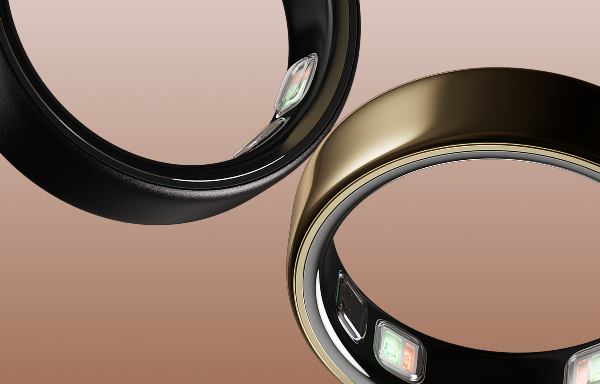
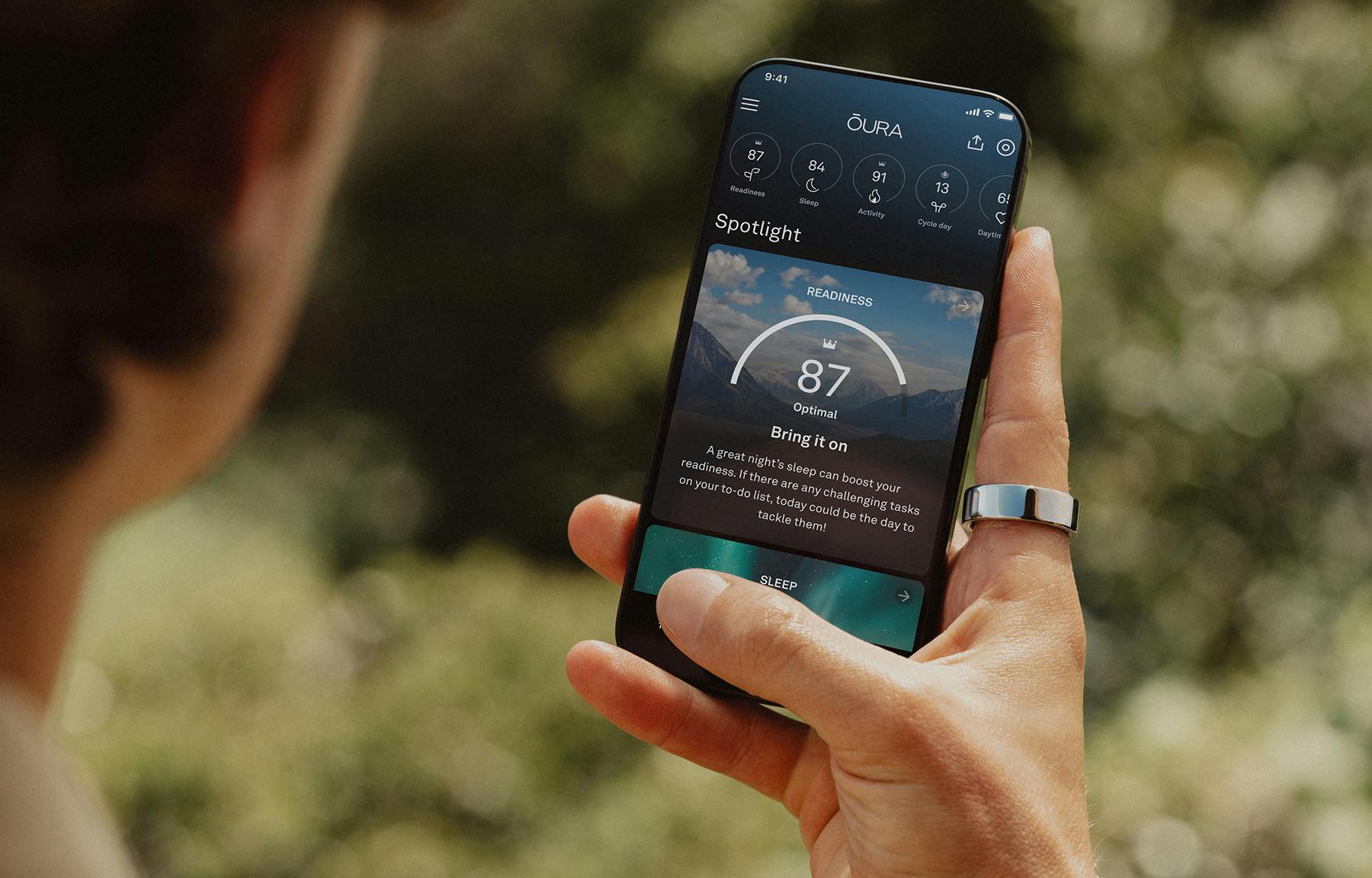
When you nap for 15 minutes or longer wearing an Oura Ring, it’ll be automatically detected. You’ll get sleep staging, heart rate, HRV, and movement data from your nap, and assuming it’s not too late in the day, it’ll also boost that day’s Sleep Score and Readiness Score.
Here’s how your nap shows up in the Oura App:
- Total Sleep: your nap’s light, REM, and deep sleep get added to your daily Total Sleep.
- Sleep Efficiency: how much of your sleep period you actually spent asleep — naps included.
- Sleep Score: your overall sleep quality, with relevant nap data folded in.
- Readiness Score: your sleep and recovery signals, in the context of how ready you are for the day.
To see how a nap affects your recovery:
- Wear your Oura Ring during your nap.
- Check the nap’s start time, duration, and sleep stages in the Oura App.
- Compare it with that day’s Sleep Score, Readiness Score, Total Sleep, and sleep debt.
- See whether it fits your personalized Sleep Need.
- Notice how you feel right after — and how your recovery looks the next day.
You might feel more energized right after a nap even when your next-day recovery barely moves — and a longer or later nap can lift your afternoon while costing you nighttime sleep. A few days of data tells you more than any single nap.
READ MORE: Oura’s Nap Detection Supports Diverse Sleeping Patterns
Frequently Asked Questions About Naps
How long should a nap be?
Aim for 10 to 30 minutes. Ten to 20 minutes gives you an energy boost with the least risk of waking up groggy.
What is a power nap?
A short nap of about 10 to 30 minutes, timed to boost alertness before you slip into deep sleep.
When is the best time to nap?
Just before or just after lunch. An early-afternoon nap lines up with your natural dip in alertness and is far less likely to affect your night.
How can I track my naps and see how they affect my energy?
Wear your Oura Ring, and naps of 15 minutes or longer will be detected automatically. To see whether a nap actually helped, compare your next-morning Readiness Score on days you napped against days you didn’t, and tag your naps so the pattern is easy to pick out in Trends over a few weeks.
Are naps good for you every day?
For most people, a short daily nap is a healthy way to recharge — research links napping to better cognitive performance, mood, and immune function. But if you find you need one every day, it can be a sign your nighttime sleep is coming up short. Wear your Oura Ring, watch your Readiness Score and sleep debt to see whether your naps are helping you recover or making up for a gap at night.
Why do I feel worse after a nap?
You’re most likely waking up with sleep inertia — the temporary, groggy dip in performance that follows waking, especially from a nap longer than 20 to 30 minutes when you’ve dropped into deeper sleep. Keep naps to 10 to 20 minutes, or try a coffee nap, to wake up feeling refreshed instead.
Do naps count toward sleep debt?
Yes. When you nap for 15 minutes or longer with your Oura Ring, that sleep is added to your daily Total Sleep and folded into your Sleep and Readiness Scores, so it helps chip away at sleep debt. A nap won’t fully replace a short night, but it does count.