








Although the percentage of American adults who drink reached a record low of 54% in 2025, many people still consume alcohol. For many, having a glass of wine to relax after a stressful day or a beer while watching sports is socially accepted—even culturally ingrained.
However, the latest science has been definitive: There is no safe level of alcohol consumption for health, as the World Health Organization (WHO) announced in January 2023. From immediate consequences like poor sleep and loosened inhibitions to higher risks of cancer, heart disease, and other chronic illness in the long run, it’s impossible to ignore the impact of alcohol on the body and brain.
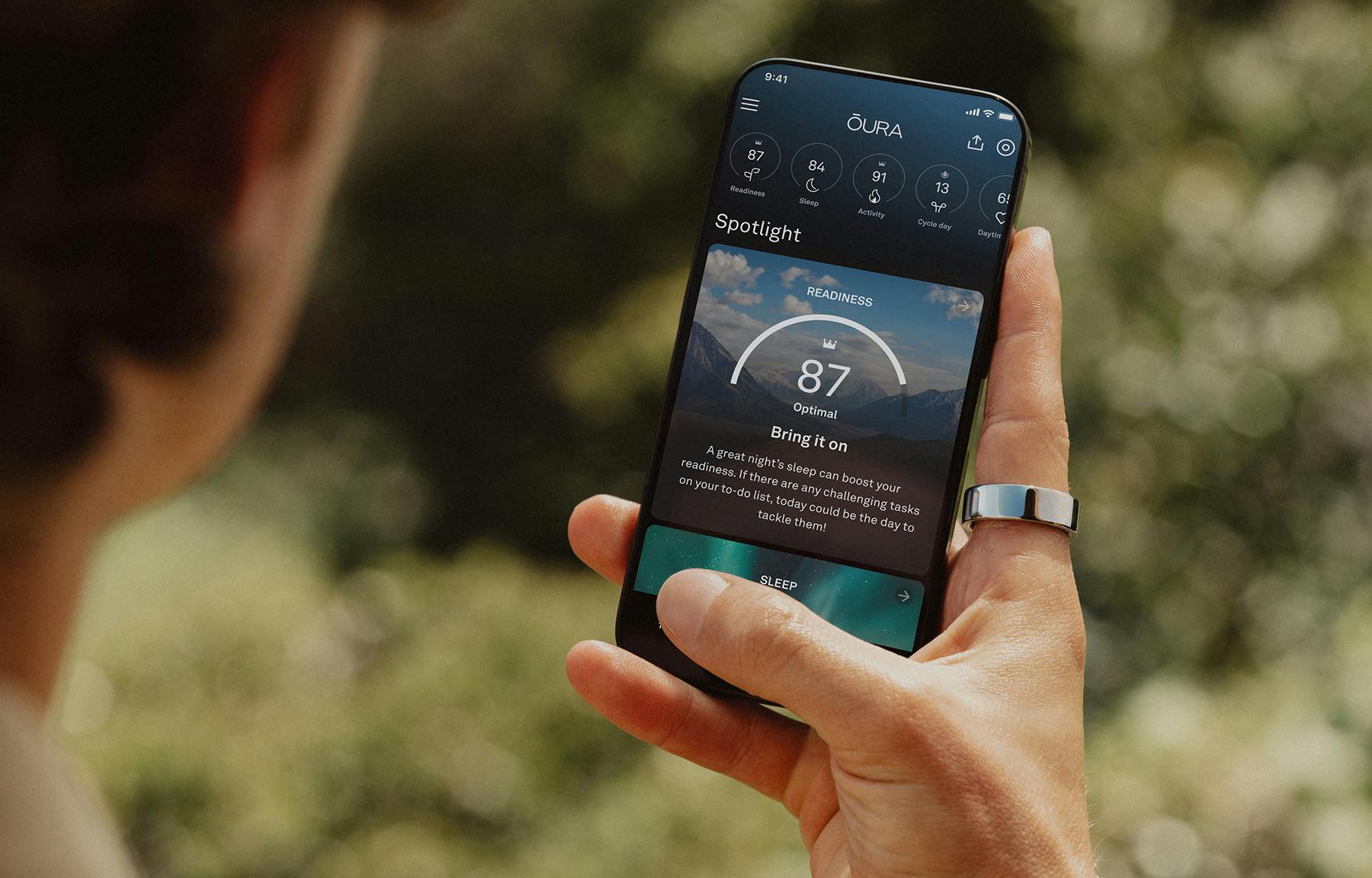
If you’re an Oura Member, you’ve probably also seen the effects of alcohol in your Oura data, such as a lower Sleep Score, spiked resting heart rate, or a plummeted heart rate variability (HRV). A recent data analysis showed that when members tag “Alcohol,” their total sleep dropped an average of 34.6 minutes, REM sleep decreased by 15.26 minutes, HRV lowered by 10.8 ms, and resting heart rate rose by 4.35 bpm.
If these stats (or a recent hangover) have shocked you into slowing down on drinking in the new year, you may be part of a rising trend called “sober curious.” Read on to learn more about the effects of alcohol on your health, plus science-backed strategies to limit your use in 2026.
| Member Story: Seeing how alcohol impacts their health metrics has encouraged many Oura Members to cut out alcohol completely, such as Gemma R., based in the U.K. |
What Does Sober Curious Mean?
“Sober curious” refers to an intentional curiosity about your alcohol consumption. It doesn’t necessarily require you to be teetotaler, but it does encourage reducing your intake.
The movement has been popularized online, and there’s an ever-increasing community of people giving it a go. Online search interest for terms relating to sober curiosity, like “zero alcohol beer,” has been steadily increasing since the pandemic, indicating that something is shifting.
RELATED: 6 Myths About Alcohol, Debunked by a Neuroscientist
How Does Alcohol Affect Your Health?
Alcohol is a systemic toxin that impacts almost every organ in the body, from your brain to your heart.
-
Neurological Decline (Brain Health): Alcohol acts as a neurotoxin that triggers measurable structural changes. “We see brain shrinkage in people who drink as few as four drinks a week,” says neuroscientist Liadan Gunter. Research in Nature Communications confirms that even one daily drink reduces overall brain volume and gray matter, with cognitive decline accelerating exponentially as intake increases.
-
Mental Health Disruptions: Alcohol significantly alters brain chemistry, specifically affecting GABA and glutamate levels. This imbalance often leads to “hangxiety” (anxiety rebounds), depression, and impaired executive function, while long-term use can rewire the brain’s reward system, leading to dependence.
-
Carcinogenic Risks: Classified as a Group 1 carcinogen by the IARC, alcohol is a leading cause of at least seven types of cancer. Strikingly, new data shows that 50% of alcohol-attributable cancers in certain regions are linked to “light to moderate” drinking rather than heavy use.
-
Accelerated Biological Aging: Alcohol speeds up the clock at a cellular level. A 2024 study found that alcohol consumption is causally linked to the shortening of telomeres—the protective caps on our DNA—effectively triggering premature cellular senescence and aging.
-
Cardiovascular Strain: Contrary to older myths about heart health, modern Mendelian randomization studies show that any level of alcohol intake is associated with an increased risk of hypertension, atrial fibrillation (AFib), and coronary artery disease.
-
Metabolic Blockade: Alcohol disrupts the body’s ability to regulate energy. The liver prioritizes detoxifying ethanol over all other functions, which halts fat oxidation (fat burning) and inhibits gluconeogenesis, leading to blood sugar instability and the accumulation of visceral fat.
-
Gut Microbiome & Permeability: Alcohol irritates the digestive tract and kills beneficial gut bacteria. This can lead to “leaky gut” (increased intestinal permeability), allowing toxins to enter the bloodstream and triggering systemic inflammation.
-
Immune System Suppression: Alcohol weakens the body’s first line of defense. Research shows that alcohol can reduce the activity of Natural Killer (NK) cells and impair macrophage function for up to 24 hours after drinking, making you significantly more susceptible to viruses and bacteria while slowing down physical recovery.
Is There Any Benefit to Drinking?
Sorry, but no. Many of us have heard the adage that a daily glass of red wine is “heart-healthy.” The reasoning behind this so-called “French paradox” is that red wine contains an antioxidant compound known as flavonoids, such as resveratrol, which have cardioprotective benefits. However, to get a therapeutic dose of antioxidants, you’d have to drink wine to the point of acute toxicity—counteracting any potential health benefits. Instead, alcohol increases the risk of atrial fibrillation (AFib) and hypertension.
Can You Reverse the Damage of Drinking?
Fortunately, cutting back on drinking can offset the damage already done. “In most people, brain shrinkage eventually reverses when they stop drinking,” Gunter says. Research shows that when people stop drinking, they can improve their sleep, lower the risk of cardiovascular disease and cancer, lose weight, improve cognitive performance, and even boost immunity.
Why Is It So Hard to Cut Back?
Whether you’re sober curious or looking to eliminate alcohol from you life completely, knowing what kind of obstacles you may face can help you in the long run. Some common barriers to cutting back on drinking include:
- Social norms: “Alcohol is ingrained in the fabric of society,” says Gunter. “It’s a learned behavior, reinforced with social pressure.” Accepting the idea that socializing doesn’t have to revolve around alcohol can be a difficult transition.
- Peer pressure: Friends, coworkers, or family members can pressure you into drinking, particularly if they accept the social norms around alcohol use.
- Stress and anxiety: An online survey reported that 29% of people turn to alcohol to deal with stress. “If you use alcohol as a crux for stress or anxiety, those feelings might be heightened initially,” says Gunter. “I advise people to find other positive coping mechanisms, and give it time.”
- New routines and activities: If your typical weekend activities revolve around drinking, you may have to find new hobbies and activities.
- Difficult emotions: Social anxiety, depression, loneliness, and boredom are all risk factors for alcohol use. Without alcohol, these emotions may come to the surface. It’s important to seek professional help if you find yourself struggling.
| Member Tip: Use Oura’s Daytime Stress feature to compare your stress levels after a night of drinking vs. nights when you don’t drink. You may be surprised to see that your stress is higher as your body clears the alcohol from your body. |
6 Science-Backed Strategies to Drink Less (Or Not At All)
1. Identify your triggers.
Any positive change starts with self-awareness—a philosophy reinforced by neuroscience. “People repeat behaviors because of reinforced neural pathways. When you recognize certain environmental or social triggers that lead to drinking, you gain the power to interrupt those automatic responses,” explains Gunter.
Your cues may include stress, social events, celebrations, or simply seeing your favorite beer in the fridge. When you do drink, start to observe what comes before it. You can even choose to write it down to start building an understanding of your main cues and triggers.
2. Interrupt the cycle.
Let’s say stress is your cue to drink. Finding new ways to manage your stress, like practicing breathwork or spending time in nature, can help to interrupt this cycle. “Anyone who wants to limit their alcohol should avoid having it in their house,” says Gunter. “When it’s readily available, it’s more likely to become a cue.”
Other ways to interrupt the cycle may include changing the places you socialize (avoiding bars), changing your evening routine (a tea instead of a glass of wine), or incorporating alternative activities during times when the cue is most prominent.
READ MORE: 9 Simple (and Science-Backed!) Ways to Lower Stress
3. Start with small changes.
It doesn’t have to be all-or-nothing. “Starting with small changes allows your brain to gradually adapt to new behaviors, forming and reinforcing neural connections associated with those changes,” Gunter says.
In fact, because drastic behavior changes are so sudden, they often aren’t sustainable, she notes: “Only a small percentage of people who attempt Dry January are successful, and it’s because they’re not dealing with the root issue of how to drink more responsibly.”
Based on your brain’s capacity for neuroplasticity, it might be more sustainable to decrease your alcohol intake incrementally. “For brain health, I recommend people drink a maximum of once or twice a month. But if this seems unattainable for you, lowering your intake to any degree is beneficial.”
| Member Tip: Watch how your Oura Scores and biometrics (such as heart rate variability and resting heart rate) change over time using the Trends view. |
4. Find substitutions to avoid FOMO.
“Order a non-alcoholic beverage or a mocktail, so you still have the same ritual,” says Gunter. Alcohol gives you a dopamine rush, but studies show that non-alcoholic beverages can still give you a dopamine boost. “Get creative, and find new drinks that bring you joy.”
READ MORE: 7 Alcohol-Free Drink Ideas for Dry January
5. Look at the data.
Everyone knows how bad a hangover can be, but even the most health-minded people can still drink too much. “Many people are out of touch with their body, and ignore how much alcohol impacts their mood, sleep, and energy levels,” says Gunter. Compare the difference in your Oura data after a night of drinking, you may be surprised!
READ MORE: How Does Alcohol Impact Oura Members?
6. Be more conscious in your decision-making.
“Alcohol consumption is often about fulfilling learned behaviors,” says Gunter. “Most people don’t reflect on whether it’s a positive or negative thing for them.”
After all, a fundamental part of being sober curious is simply making conscious choices drinking, rather than giving into pressure or habit.
Here are a few thought-starters that you can turn to in the moment to make more conscious decisions:
- Think about how you’ll feel the next morning after drinking, compared to how you’ll feel if you stay sober.
- Start your social event with a tasty non-alcoholic drink. If you still want alcohol after that, go for it—thoughtfully.
- Reflect on the factors making you want to drink, such as social pressure, stress, or anxiety. Consider ways to address these issues more consciously, whether through self-soothing strategies or seeking professional help to work through them.