







High blood pressure—also known as hypertension—is one of the most common and most overlooked health risks worldwide. It’s often symptomless until serious complications arise, which is why it’s often referred to as the silent killer.
At Oura, our mission is to help you connect the dots between your choices, your data, and your future. “When it comes to high blood pressure, knowledge is power,” says Dr. Ricky Bloomfield, Chief Medical Officer (CMO) at Oura. “The earlier you’re aware, the more options you have to protect your heart, your brain, and your healthspan.”
| Now in Oura Labs, Oura’s new Blood Pressure Profile Study allows eligible members to participate in research that will help Oura develop a software feature that is intended to help them spot hidden hypertension risks today, and contribute to science that may protect millions tomorrow. |
What is Hypertension?
Hypertension is chronically high blood pressure. It develops when the force of blood pressing against your artery walls remains consistently too high, forcing your heart to work harder to pump blood. Over time, that extra pressure strains your blood vessels and vital organs, including the heart, brain, kidneys, and eyes.
As with many conditions, the risk of hypertension increases with age, occurring in 27% of people younger than 60 and 74% of people aged 80 and older.
What makes hypertension especially concerning is that it often has no obvious symptoms until it leads to more serious complications. In fact, an estimated 46% of adults with hypertension are unaware that they have it, while only one in five adults with hypertension are managing the condition effectively.
The good news: hypertension is manageable. With awareness, lifestyle adjustments, and support from healthcare providers, most people can reduce their risk and protect their long-term health.
What Increases Your Risk of High Blood Pressure?
High blood pressure doesn’t happen overnight. It develops gradually, shaped by a mix of lifestyle habits, genetics, and underlying health conditions.
Well-established risk factors include:
- Age: Blood vessels naturally stiffen as we get older, making it harder for blood to flow freely.
- Weight and body composition: Carrying excess weight can increase the strain on your heart and blood vessels.
- Family history: Genetics also play a role—if hypertension runs in your family, your risk is higher.
- Diet: High sodium intake, excess alcohol, and diets low in fruits and vegetables can all push blood pressure higher.
- Physical inactivity: A sedentary lifestyle reduces cardiovascular efficiency and makes it harder to regulate blood pressure.
- Stress: Chronic stress keeps your nervous system on high alert, contributing to long-term elevations.
- Pregnancy: Between 8% and 16% of all pregnant women experience high blood pressure during pregnancy. These are referred to as hypertensive disorders of pregnancy, such as preeclampsia. If someone has a history of a pregnancy with gestational hypertension or preeclampsia, they are at much higher risk of developing chronic hypertension.
- Other health conditions: Diabetes, kidney disease, and sleep apnea are all linked with elevated blood pressure.
What to Do If You’re At Risk of Hypertension
Finding out you may be at risk for high blood pressure can feel unsettling, but it can also be an important opportunity. Hypertension is manageable when caught early, and small, consistent changes can make a big difference over time.
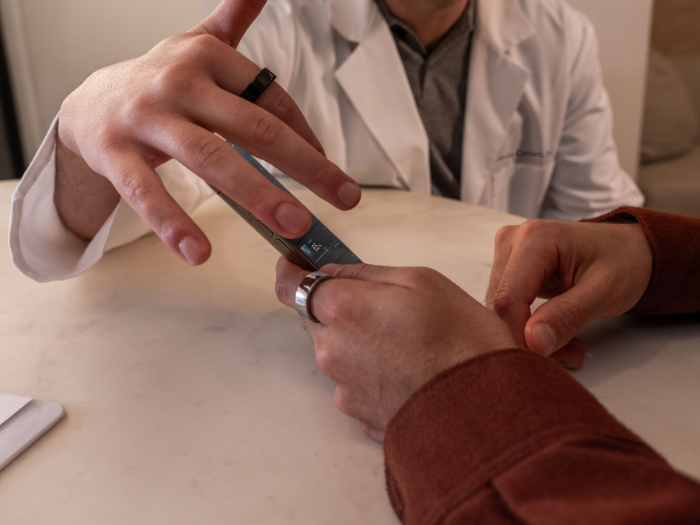
- Confirm with a cuff. A true diagnosis requires repeated blood pressure measurements, usually with a validated cuff at home or in a doctor’s office. One reading alone isn’t enough. With a cuff, take your blood pressure twice in the morning and evening for a week (ideally). Learn how to properly measure your blood pressure at home.
- Talk to your healthcare provider. Bring your results and any manual readings to your doctor. They can help determine whether medication, lifestyle changes, or both are the best next step.
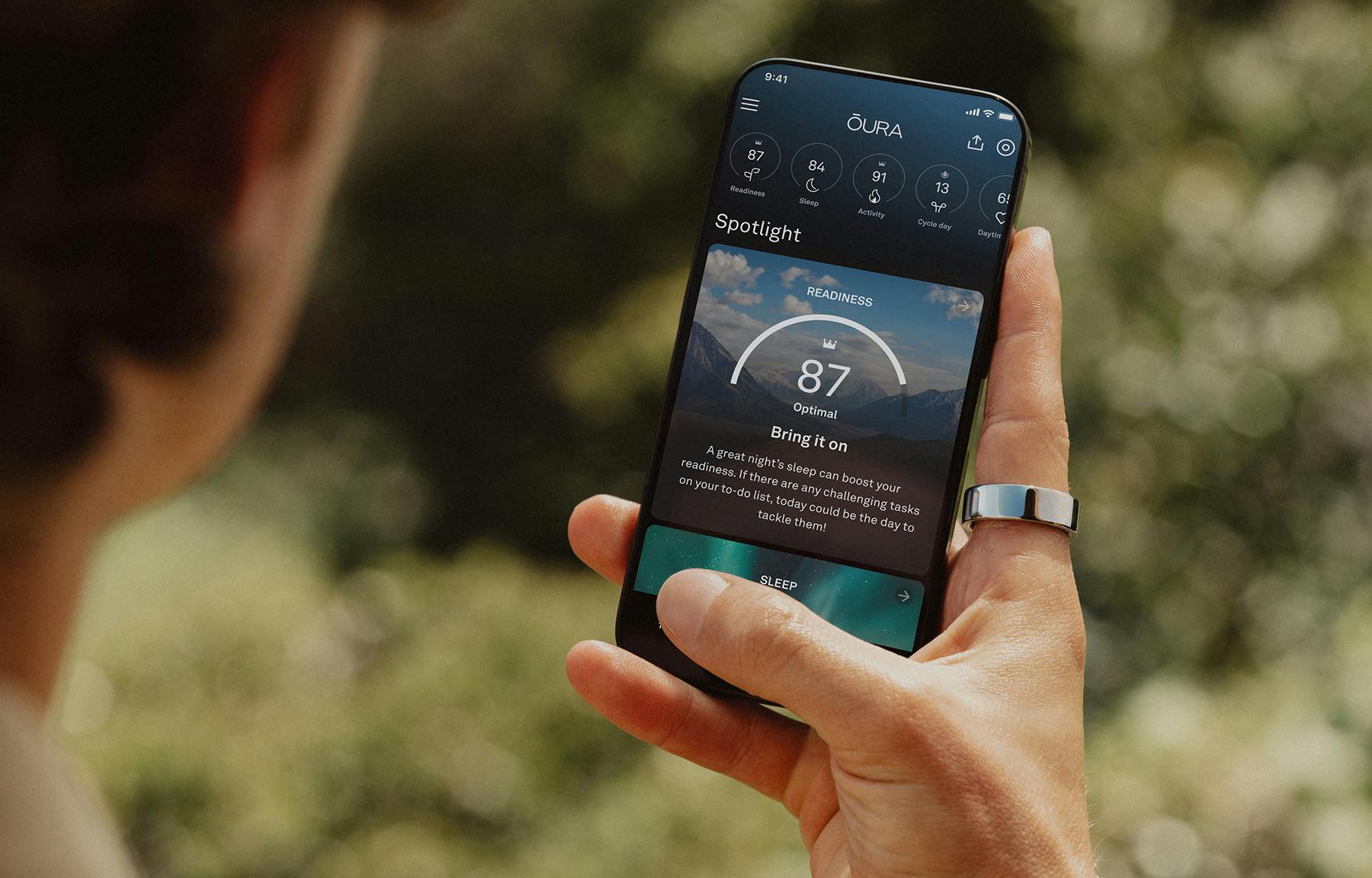
- Track your patterns. Additionally, keep an eye on how your daily habits show up in your Oura data. For instance, you may notice when you tag “alcohol” or “coffee” that the readings on your blood pressure cuff differ—which are important patterns to take note of.
- Make lifestyle adjustments. Hypertension can sometimes be improved through lifestyle changes, including proper nutrition, regular movement, stress management, quality sleep, and limiting alcohol or smoking.
READ MORE: 6 Lifestyle Strategies to Manage Blood Pressure Naturally
The Bottom Line
Hypertension may be a silent—and serious—condition, but with the right tools, it is manageable. “Often, clinicians only see patients with high blood pressure when it’s already too late to prevent complications,” says Dr. Bloomfield. “Our vision is to empower people to be proactive rather than reactive, so they can make meaningful changes before problems arise.”
Take charge of your cardiovascular health today—and for years to come, with Oura.
RELATED: 8 Ways to Improve Your Cardiovascular Health
Oura Ring is not a medical device and is not intended to diagnose, treat, cure, monitor, or prevent medical conditions/illnesses.