









If you’ve been told your blood pressure is high, it can be easy to feel panicked. First and foremost, the best initial step to take is to consult with your doctor, who can determine whether medication is necessary right away or if lifestyle adjustments might be enough to bring your numbers down.
The good news: In many cases, when hypertension is in the early stages, lifestyle adjustments can significantly improve blood pressure. A substantial body of evidence strongly supports the impact of lifestyle modifications on blood pressure. Improving sleep, moving more, reducing stress, and making heart-healthy nutrition choices might be all you need to make a profound improvement in your cardiovascular health and longevity.
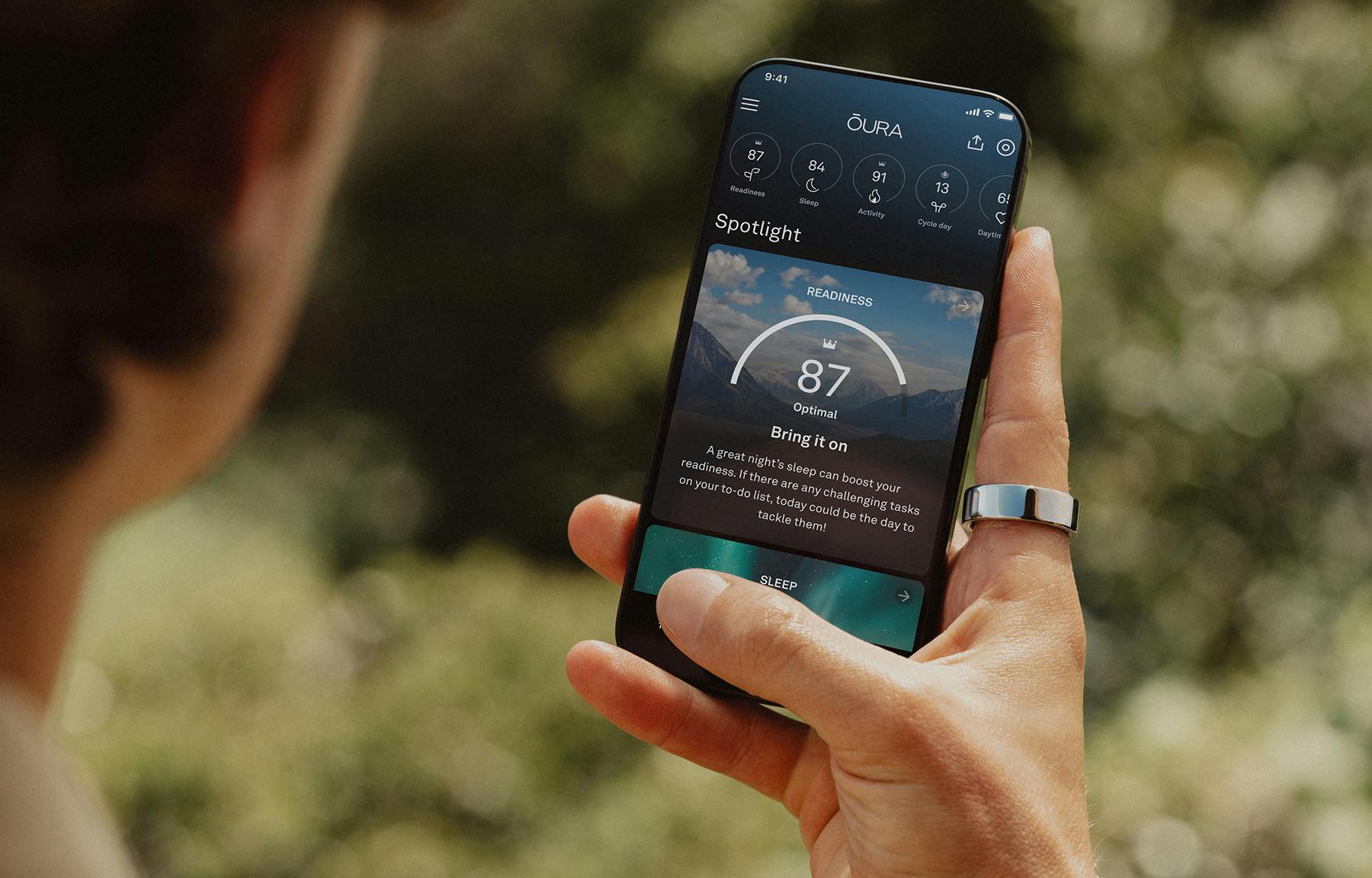
And many of the habits that influence blood pressure—like how you sleep, move, and manage stress—are the same areas Oura helps you track. By paying attention to your Oura data, you can make targeted changes that support healthy blood pressure and overall longevity.
| Now in Oura Labs, Oura’s new Blood Pressure Profile Study allows eligible members to participate in research that will help Oura develop a software feature that is intended to help them spot hidden hypertension risks today, and contribute to science that may protect millions tomorrow. |
6 Ways to Lower Blood Pressure Holistically
Research consistently shows that the following strategies are among the most effective at lowering blood pressure, with or without medication.
1. Follow a Heart-Healthy Diet
One of the most powerful ways to manage blood pressure naturally is through what you eat. The Dietary Approaches to Stop Hypertension (DASH) diet was originally developed by the U.S. National Institutes of Health (NIH) as a non-pharmacological treatment for high blood pressure.
The DASH diet emphasizes whole, nutrient-rich foods—fruits, vegetables, whole grains, lean proteins, legumes, and low-fat dairy—while limiting sodium, added sugars, and saturated fats.
The results are measurable. A review of 17 individual studies found that the DASH diet was associated with an average reduction of 6.7 mmHg in systolic blood pressure and 3.5 mmHg in diastolic blood pressure. These improvements rival those seen with single-medication therapy.
2. Move More, Sit Less
Physical inactivity is one of the strongest risk factors for hypertension—and one of the most modifiable. Both aerobic and resistance exercise have been shown to effectively reduce blood pressure.
On average, regular exercise reduces systolic blood pressure by approximately 5 mmHg, which translates to a 9% reduction in coronary heart disease deaths, a 14% reduction in stroke deaths, and a 7% reduction in all-cause mortality. Your blood pressure actually decreases immediately after exercise and stays lower for up to 24 hours—a phenomenon called post-exercise hypotension.
Moderate-intensity aerobic exercise for at least 30 minutes on at least 3 days of the week or resistance exercise on 2-3 days of the week is recommended by all major health organizations. If 30 minutes of continuous exercise seems challenging for you, research shows that exercise sessions broken into 10-minute bouts (that add up to 30 minutes daily) are just as effective.
3. Cut Back on Sodium
Sodium directly raises blood pressure by causing your body to retain water, which puts extra pressure on vessel walls. A 2001 clinical trial demonstrated that the DASH diet alone led to a significant reduction in blood pressure, but when combined with sodium reduction, the effect was even greater. Those participants experienced an average systolic blood pressure reduction of 7.1 mmHg in those without hypertension and 11.5 mmHg in those with hypertension.
Reducing processed foods, canned soups, and making more home-cooked meals is often the simplest way to cut sodium. It’s helpful to be aware that sodium can be hidden in ingredients like MSG, baking soda, and sodium nitrate, as well as other forms that may not be readily recognizable on a nutrition label.
4. Maintain a Healthy Weight
Excess body weight is one of the strongest risk factors for hypertension—but the good news is that even modest weight loss can have a measurable impact. An extensive review of 25 randomized controlled trials (nearly 5,000 participants) found that losing just 11 pounds (5 kilograms) reduced blood pressure by about 4.4 mmHg systolic and 3.6 mmHg diastolic.
The effect was dose-dependent: every 2.2 lbs (1 kg) of weight loss lowered blood pressure by roughly 1 mmHg. Greater reductions were seen in participants who lost more than 11 lbs (5 kg), as well as in those already taking blood pressure medications.
5. Reduce Alcohol If You Drink Often
Alcohol raises blood pressure by activating the sympathetic nervous system, increasing cortisol, and stiffening blood vessels over time. It also contributes to weight gain and poor sleep—both of which further elevate blood pressure.
Reducing or eliminating alcohol consumption has a measurable impact: a review of 36 studies with nearly 3,000 participants found that cutting back on alcohol lowered blood pressure in a dose-dependent manner.
The greatest benefit was seen in people drinking more than two drinks per day. Among those drinking six or more drinks daily, reducing intake by about half lowered blood pressure by an average of 5.5 mmHg systolic and 4 mmHg diastolic.
But it’s not just important for drinkers: another meta-analysis found that even ~1 drink/day (~12 g alcohol) was linked to higher blood pressure over time versus abstinence—about +1.25 mmHg systolic and +1.14 mmHg diastolic on average.
READ MORE: How Does Alcohol Impact Oura Members?
6. Prioritize Potassium-Rich Foods
Potassium helps relax blood vessel walls, improves sodium balance, and supports kidney function—all of which contribute to lower blood pressure.
Research shows that in people with hypertension, a 0.6 g/day increase in dietary potassium results in a drop of about 1 mmHg in systolic blood pressure and 0.5 mmHg in diastolic blood pressure. At the recommended intake of 4.7 g/day, average reductions reach ~8 mmHg systolic and ~4 mmHg diastolic—a change large enough to significantly lower the risk of stroke, coronary heart disease, and heart attack.
How Oura Can Help You Manage High Blood Pressure
- Keep an eye on your heart health. Oura offers features like Cardiovascular Age and Cardio Capacity that give you insights into your overall heart health. Additionally, keep an eye on your nightly resting heart rate trends to spot signs of cardiovascular strain and see how habits like alcohol, late meals, or stress affect your heart.
- Utilize Oura Meals. As you follow a heart-healthy diet that prioritizes whole foods and limits processed foods and added sugars, Oura’s Meals feature can help you stay on track. When you take a picture of what’s on your plate, you’ll get an instant understanding of the nutritional value of your dietary choices, including fiber, protein, added sugar, and processing level.
- Break up sedentary time with inactivity alerts. Get notified after 50 minutes of inactivity, reminding you to stay active and supporting circulation, which in turn lowers your long-term blood pressure risk.
- Meet your daily activity goal. Your Daily Activity Goal is personalized and automatically adjusted based on your Readiness Score, age, height, and weight—so you always know how much movement is right for you. When you do move, it’s automatically tracked—ensuring every type of activity counts towards your daily goal.
- Ensure you’re getting enough sleep: Detailed sleep tracking helps you better understand your sleep, which is critical for blood pressure management.
- Manage stress: Understand how your body accumulates and responds to sustained stress over time with Cumulative Stress, or Daytime Stress, which gives you a look into your stress levels in real-time. When your stress is on the high side, respond with recovery. Access guided meditations and breathing exercises within Explore content on the Oura App.
How to Tell if Your Cardiovascular Health Is Improving With Oura
You might not take a blood pressure cuff reading every day—but you can still track signs that your cardiovascular health is heading in the right direction. Certain Oura metrics can provide helpful nudges that your lifestyle changes are working:
- VO2 Max: A higher VO2 Max (Cardio Capacity) indicates better cardiovascular fitness. Research shows that improving aerobic capacity lowers blood pressure and reduces long-term heart disease risk.
- Resting Heart Rate (RHR): As blood pressure improves often there will be a lowering of resting heart rate. Also, some medications for blood pressure actually decrease blood pressure by making the heart beat slower. As you improve your cardiovascular health overall, you may notice your RHR trending lower.
- Sleep Quality: Shorter sleep duration has been found to be associated with a higher risk of developing hypertension.
- Heart Rate Variability (HRV): Low HRV is associated with chronic stress and hypertension. If your HRV starts trending upward, it’s a sign your nervous system is becoming more balanced, which supports lower blood pressure.
- Cardiovascular Age (CVA): This feature reflects the health and stiffness of your arteries compared to your chronological age. Since arterial stiffness is closely linked with long-term blood pressure patterns, seeing your CVA align with—or drop below—your actual age can be a powerful sign your heart health is moving in the right direction.
READ MORE: How to Lower Your Cardiovascular Age
How Long Does It Take to Improve Blood Pressure Naturally?
There’s no single timeline—it depends on your starting point, consistency, and which lifestyle changes you make. But research shows that blood pressure can respond surprisingly quickly once you begin addressing key habits. Even a single workout can lower blood pressure for up to 24 hours.
If your blood pressure stays high, even with you making the changes you can, make sure to talk with your doctor. Even when blood pressure medication is recommended to control blood pressure, all of the lifestyle and behavioral changes still have a positive impact.
Oura Ring is not a medical device and is not intended to diagnose, treat, cure, monitor, or prevent medical conditions/illnesses.