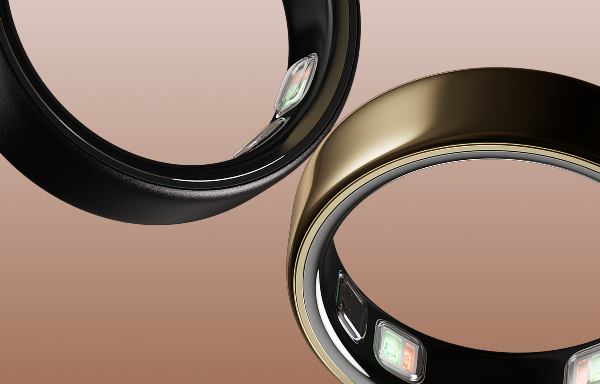







Oura’s Cardiovascular Age (CVA) feature provides an estimate of how your heart and large arteries are aging compared to your chronological age, as well as guidance on how you can improve your heart health in the long run.
A CVA that’s below or aligned with your actual age is a positive indicator of your cardiovascular health today and your potential long-term health span. But if you find out that your CVA is higher than you’d like it to be, know that there are steps you can take to lower it and improve your overall health along the way.
While cardiovascular health is determined by a variety of factors (including your genetics and demographics), research shows that lifestyle habits play a key role in heart health.
What Is Cardiovascular Age (CVA) and How Is It Measured?
Cardiovascular Age is an estimate of how old your heart and blood vessels seem, based on physiological signals. It’s one way of describing biological aging: the idea that your body doesn’t always age at the same rate the calendar does.
What’s being estimated underneath is arterial stiffness, also called vascular stiffness. Healthy arteries are elastic — they expand with each heartbeat and recoil between beats, smoothing blood flow. With age, and with wear from things like high blood pressure and smoking, arterial walls gradually lose that elasticity. Stiffer arteries make your heart work harder and are closely linked to hypertension. Stiff arteries raise blood pressure, and sustained high blood pressure stiffens arteries further.
The most common way to gauge arterial stiffness is pulse wave velocity (PWV). This is how fast the pressure wave from each heartbeat travels along your arteries. Stiffer arteries carry that wave faster, so a higher PWV generally means less flexible arteries.
Oura estimates your Cardiovascular Age from the shape of your nighttime pulse waveform, measured by the sensors in your ring. The app also shows an estimated PWV in meters per second.
Oura sorts your result into one of three bands:
| Result | What it means | How to read it |
|---|---|---|
| Below | 6 or more years younger than your age | A positive signal for your long-term heart health |
| Aligned | Within 5 years of your age | Your cardiovascular system is aging about as expected |
| Above | 6 or more years older than your age | Worth attention — and responsive to the changes below |
What’s the Average Cardiovascular Age of Oura Members?
According to aggregate and de-identified data, the average CVA among Oura members is 1.76 years younger than their chronological age.
At the end of 2024, we also analyzed global member data to see which countries had the lowest CVA. Members in Sweden topped the list with an average CVA of 2.63 years younger, while members in Norway, the Netherlands, Switzerland, and Denmark rounded out the list.
It seems that we can all take some advice from the Scandinavian lifestyle, which typically involves getting active outdoors, eating heart-healthy foods like fatty fish, and establishing a healthy work-life balance.
RELATED: 8 Finnish Secrets to Stay Happy & Healthy All Winter
5 Lifestyle Changes to Lower Your Cardiovascular Age

While some factors influencing your heart health may be outside your control, such as genetics, many Oura members have been able to lower their CVA through lifestyle changes—as shown in anecdotes from the Oura community on Reddit.
The five habits below all target the same underlying goal: keeping your arteries flexible.
1. Exercise regularly.
Comment
byu/All-the-love- from discussion
inouraring
Why it works: Regular physical activity strengthens your cardiovascular system by improving circulation, helping your heart pump blood more efficiently, and reducing arterial stiffness—a sign of aging.
Aerobic exercise is often the go-to for heart health, but strength training plays a role too. Lifting weights or doing some resistance exercises can help lower blood pressure, enhance the function of small vessels, and improve circulation—all of which contribute to a healthier cardiovascular system.
Ready to take it up a notch? Many Oura members suggested hitting the pavement (or the treadmill) as a way to lower their CVA. While running may not be the right form of cardio for everyone, it raises your heart rate and engages your heart and lungs in a continuous aerobic workout. Running also encourages the production of nitric oxide, which helps to dilate blood vessels, promoting healthy blood flow and reducing pressure on artery walls.
Whether you choose to cycle, hike, jog, or walk, the most important thing is to stay consistent—even a 10-minute walk around the block on your lunch break helps!
| Member Tip: After you finish exercising, you’ll be able to see your activity heart rate on the Oura App in the form of a graph and a breakdown of which heart rate zones you tapped into. |
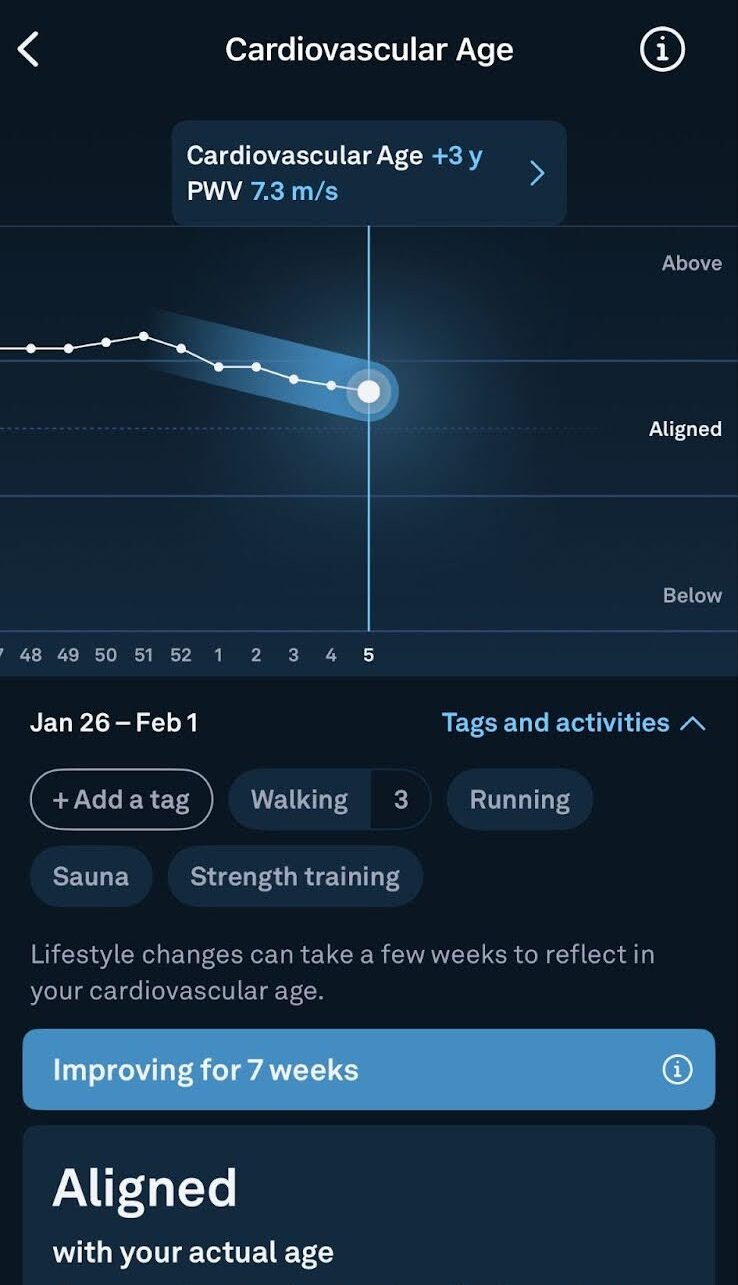
“Seeing my CVA hovering at around +9 was a wakeup call,” one Oura member tells us. “Seven weeks ago I committed to changing this by starting small—doing 45 minutes of cardio, strength training, or HIIT twice per week, and if possible a 20- to 30-minute swim during my son’s swim lesson. Since then, my CVA has dropped from +7.5 to +3 and my PWV has decreased from 7.6m/s to 7.3m/s.”
2. Get better quality sleep.
Comment
byu/All-the-love- from discussion
inouraring
Why it works: Sleep is critical for heart health. During deep sleep, your body goes into repair mode, reducing inflammation and stress hormones that can stiffen your arteries. Poor sleep disrupts this process, leading to higher blood pressure and increased arterial stiffness. Prioritizing quality rest helps maintain a healthy cardiovascular system and keeps your CVA in check.
Don’t know where to start? Aim for 7 to 9 hours each night, avoid eating close to bedtime, practice a wind-down routine, lower the temperature in your room, and eliminate sources of light in your bedroom.
READ MORE: Get Back on Track: 5 Ways to Sleep Better Tonight
3. Eat a nutrient-dense diet.
Comment
byu/Fredricology from discussion
inouraring
Why it works: A diet rich in nutrients and whole foods provides your body with essential vitamins, minerals, and antioxidants that protect your arteries from oxidative stress and inflammation.
Studies show that a Mediterranean diet—think: fruits, vegetables, lean protein, and healthy fats—supports arterial flexibility, while avoiding processed foods and excess alcohol prevents damage to the blood vessels. These factors combined contribute to a lower CVA and overall heart health.
| Member Tip: Log your meals with Oura Labs’ Meals feature to see how what you eat affects your sleep. |
4. Keep an eye on your blood pressure.
Why it works: Of all the modifiable risk factors, blood pressure has the most direct relationship with arterial stiffness. Every heartbeat sends a pressure wave through your artery walls. When that pressure stays elevated over years, the walls thicken and lose elasticity. Stiffer arteries then push pressure higher still, which is why hypertension and arterial stiffness tend to progress together.
The encouraging part is that this cycle can be interrupted, and the earlier the better. In one cohort, adults in the highest third for arterial stiffness were roughly 3.5 times more likely to develop hypertension than those in the lowest — meaning stiffening often shows up before a blood pressure diagnosis does. If you don’t know your numbers, that’s a good place to start: with your doctor. Most of what lowers blood pressure is already on this list — regular aerobic exercise, better sleep, less sodium and alcohol, and a Mediterranean-style diet.
Oura doesn’t measure blood pressure, and cardiovascular age isn’t a substitute for knowing it. If yours has been high, speak with a medical professional.
5. Rethink smoking and alcohol.
Smoking is one of the fastest ways to stiffen your arteries, and the effect starts immediately. A meta-analysis in the European Journal of Cardiovascular Nursing found a single episode of cigarette smoking raised pulse wave velocity by about 10%.
The better news is that quitting appears to reverse part of it. The same analysis found smoking cessation reduced pulse wave velocity compared with continuing to smoke, with the clearest improvements in otherwise healthy people and over longer follow-up. Alcohol works more slowly but in the same direction, which is why the diet section above flags excess intake alongside processed food.

How Oura Helps You Understand Cardiovascular Age Trends
Cardiovascular Age is a trend metric, not a daily readout. Oura needs at least 14 nights of data from the past 30 days before it can establish your first baseline, and that baseline keeps refining as more nights come in. That’s deliberate: a single night of bad sleep or one hard workout shouldn’t move a measure of how your arteries are aging.
What that means in practice is that you’re watching a direction, not a number. Check it monthly rather than daily, and read it alongside the metrics that respond faster—resting heart rate and heart rate variability will show you whether this week’s habits are landing, while cardiovascular age tells you whether the last few months of them added up.
A few things worth knowing about the estimate itself: it’s available on Gen3 rings and later with an active membership; it requires your age and sex assigned at birth to calculate, and because it’s derived from your pulse waveform rather than a clinical measurement, results may not be valid if you have a heart condition, a neurodegenerative condition, or a pacemaker. Full details are in the Help Center.
Remember: Change Takes Time
Improving your CVA doesn’t happen overnight. CVA is a slow-moving metric, and while your efforts are making an impact on your heart health, it may take several weeks of consistent lifestyle changes to see a noticeable difference in the Oura App. Keep in mind that the key to improving arterial stiffness and heart health is consistency.
So whether you’re increasing your daily activity, taking up running, improving your sleep, or adopting a heart-healthy diet, these small, steady improvements add up over time. Stay patient, stay committed, and trust that the changes you’re making are contributing to a healthier, younger heart.
RELATED: 8 Ways to Improve Your Cardiovascular Health
Frequently Asked Questions About Cardiovascular Age
What is Cardiovascular Age?
Cardiovascular Age is an estimate of the age of your blood vessels appear based on physiological signals rather than your date of birth. It reflects arterial stiffness—how flexible your artery walls are. Arteries naturally lose elasticity with age, but that process can run faster or slower depending on blood pressure, fitness, sleep, diet, and smoking. A Cardiovascular Age below your chronological age suggests your arteries are aging more slowly than average for your years.
What is a good Cardiovascular Age?
Lower than your actual age is favorable, and within a few years of it is normal. Oura groups results into three bands: Below (6 or more years younger), Aligned (within 5 years either way), and Above (6 or more years older). Across Oura members, the average Crdiovascular Age is 1.76 years younger than chronological age.
What is pulse wave velocity (PWV)?
Pulse wave velocity measures how fast the pressure wave created by each heartbeat travels along your arteries, expressed in meters per second. Because stiff arteries transmit that wave faster than elastic ones, PWV is the most widely used measure of arterial stiffness in research and clinical settings. Oura estimates PWV from the shape of your nighttime pulse waveform and displays it alongside your Cardiovascular Age.
Is Oura’s Cardiovascular Age the same as a heart age calculator?
Not quite. Most online heart age calculators estimate a risk-based age from information you type in—age, cholesterol, blood pressure, smoking status, and similar. Oura’s Cardiovascular Age is derived from a physiological signal your ring measures while you sleep, so it reflects something happening in your body rather than a questionnaire. Neither is a diagnostic tool, and neither replaces a check-up with a clinician.
How long does it take to lower your cardiovascular age?
Cardiovascular Age is intentionally slow-moving; Oura needs at least 14 nights of data from the past 30 days just to set your baseline. Expect several weeks of consistent change before a shift is visible, and think in terms of weeks to months rather than days. Faster-responding metrics like resting heart rate and heart rate variability are better for week-to-week feedback.
Can arterial stiffness be reversed?
Partly, and it depends on what’s causing it. Some age-related stiffening is structural and not reversible. But the portion driven by lifestyle does respond: aerobic training has been shown to lower pulse wave velocity by an average of 0.75 m/s in middle-aged and older adults, and quitting smoking reduces it compared with continuing. The realistic goal is to slow the rate of stiffening and recover some flexibility.
Does high blood pressure affect cardiovascular age?
Yes, and the relationship goes both ways. Sustained high blood pressure damages and thickens artery walls, which makes them stiffer. Stiffer arteries then drive pressure higher, creating a self-reinforcing cycle. Arterial stiffening often appears before a hypertension diagnosis. In one study, adults with the stiffest arteries were about 3.5 times more likely to develop hypertension than those with the most elastic ones. If you have high blood pressure or a family history of it, talk with your doctor.
This article is for informational purposes only and is not medical advice. Oura Ring is not a medical device and is not intended to diagnose, treat, cure, monitor, or prevent any medical condition. Talk with a healthcare provider about your cardiovascular health, particularly if you have high blood pressure or a known heart condition.