





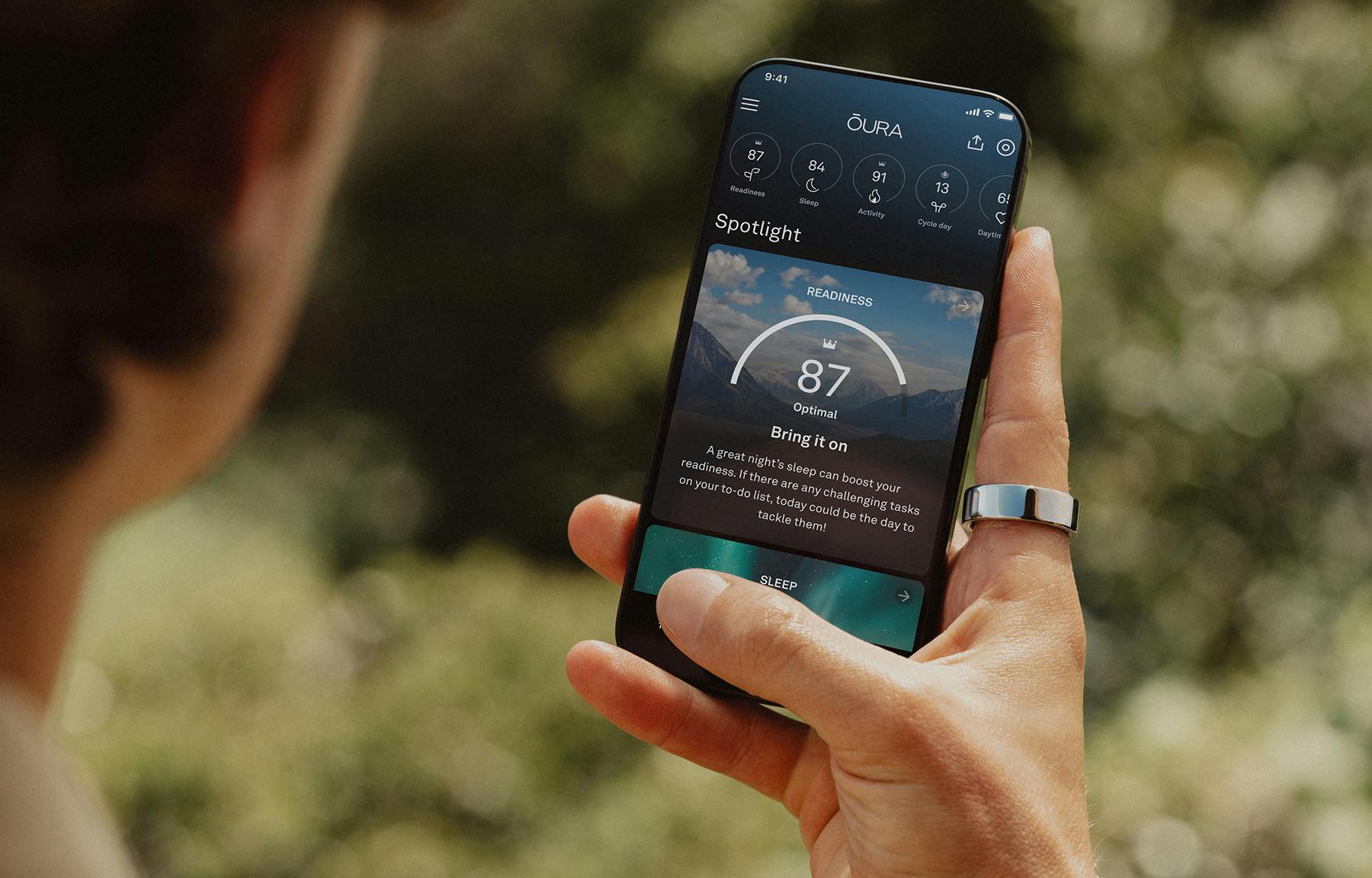



Az Oura-tagok számára már elérhető Alvási deficit megmutatja, mennyi alvás hiányzik a szervezetednek az utolsó két heti alvásigényed alapján. Segíthet felismerni, mikor van több pihenésre szüksége a testednek, és hogyan tudod kis, következetes változtatásokkal támogatni a regenerációdat.
Mi az alvási deficit?
Az alvási deficit azt mutatja meg, mennyivel kevesebbet aludtál az elmúlt két hétben a becsült alvásigényed alapján. Az órában és percben kifejezett alvásigényedet az Alvásegészség részben találod.
Az alvási deficit kiszámításánál a napi teljes alvást (a hosszabb és rövidebb alvásokat is beleértve) összehasonlítjuk a becsült alvásigényeddel. Az elmúlt két hét adatai alapján számítjuk ki, de ennek során a legutóbbi napok kapnak nagyobb hangsúlyt.
Ha az alvási deficit értéke néhány napig magas marad, az azt jelezheti, hogy a tested még nem regenerálódott teljesen. Ha figyelemmel kíséred ezt az értéket, az segíthet felismerni, mikor érdemes előtérbe helyezni a pihenést.
Hol találod meg az alvási deficitedet?
Az alvási deficit kiszámításához legalább öt éjszakányi alvásadatra van szükségünk az elmúlt 14 napból.
Az alvási deficit funkciót az Oura alkalmazásban több helyen is megtalálhatod:
- Koppints az Egészségem lapra > Válaszd ki az Alvásegészséget > Görgess le, és válaszd ki az Alvási deficitet (a „Kapcsolódó mutatók” alatt)
- Koppints a Mai nap lap tetején lévő Alvás parancsikonra
- Koppints az Alvás kártyára az Életfunkciók lapon
Az alvási deficit értéked megértése
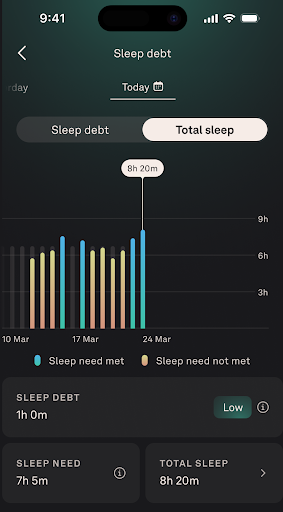
Az alvási deficitet órákban és percekben mérjük, és négy kategóriába soroljuk:
- Nincs (0 óra): Az alvásod folyamatosan megfelelt az alvásigényednek, így nem volt alvási deficited. Szép munka! A tested és az elméd hálás lesz érte.
- Alacsony (< 2 óra): Az alvásigényedet többnyire kielégíted, bár volt néhány nap, amikor a teljes alvásod egy kicsit alacsony volt. Az alacsony alvási deficit nem feltétlenül gyakorol rád rögtön nagy hatást, az állandóság mégis segíthet, hogy a szervezeted jobban feltöltődjön.
- Mérsékelt (2–5 óra): Az utóbbi időben felhalmoztál némi alvási deficitet, valószínűleg azért, mert egy kicsit kevesebbet aludtál a szokásosnál. Ha visszatérsz egy állandóbb alvásritmushoz – bármit is jelent ez nálad –, az segíthet, hogy még jobban feltöltődve érezd magad.
- Magas (> 5 óra): Jelenleg magas az alvási deficited, ami megnehezítheti, hogy jól érezd magad. Ha teheted, a következő napokban próbálj több időt szánni az alvásra. Fontos, hogy időt adj a szervezetednek a regenerálódásra.
Mennyi alvásra van szükséged?
Bár a legtöbb felnőttnek körülbelül 7-9 óra alvásra van szüksége, az ideális mennyiség egyénenként változik. Olyan tényezők is szerepet játszanak benne, mint az életkor, a kronotípus, az aktivitási szint és a regenerációs igények.
Egyes napokon több pihenésre lehet szükséged, különösen fizikai megterhelés, stressz vagy megszakított alvás esetén. Máskor kevesebb alvás is elegendő lehet, hogy frissnek és kipihentnek érezd magad.
A napi alvásigényed a szokásos alvásmintáidat veszi alapul, az elmúlt 90 napból. Kiszűri a szokatlanul rövid vagy hosszú éjszakákat, hogy egy kiegyensúlyozott, személyre szabott alapértéket tudjon becsülni neked. Ezt egy konkrét, órában és percben megadott értékként fogod látni az Alvásegészség alatt.
KAPCSOLÓDÓ: Hogyan változik az alvásigényed az életed során
Milyen következményei lehetnek az alvási deficitnek?
Ahogy egyre több alvás marad ki, úgy fokozódnak az egészségedre és jóllétedre gyakorolt hatások is. Tanulmányok szerint a krónikusan rövid alvásidő nappali álmossághoz vezethet és leronthatja a munkahelyi teljesítményedet. Ráadásul, lehet, hogy morcosabb is leszel: Egy 2020-as tanulmányban, azok, akik öt napos alvási deficittel rendelkeztek, a kellemes dolgokat ábrázoló képeket negatívabbnak látták.
A rövid éjszakai alvás felboríthatja az étvágyadat szabályozó hormonok egyensúlyát, amitől éhesebb lehetsz. És még meg is betegedhetsz: Ha éjszakánként 6 vagy annál kevesebb órát alszol, az immunrendszered legyengül, így nagyobb eséllyel kapsz el egy megfázást, mint az, aki rendesen kipihente magát.
A hosszú távú következmények még rosszabbak: Ha nincs meg a megfelelő alvásmennyiség, nő a kardiovaszkuláris megbetegedések, valamint a stroke és a szívroham kockázata is. A diabétesz és az elhízás kockázata is nő, ahogy sajnos a korai halál kockázata is.
5 módszer az alvási deficit kiegyenlítésére

Ha egy hétvége alatt próbálod lenullázni azt az alvási deficitet, amit hónapok óta gyűjtesz, az olyan, mintha csak az utolsó pillanatban tanulnál egy vizsgára, vagy hirtelen drasztikus fogyókúrába kezdenél: Lehet, hogy lesz valamennyi eredménye, de érdemesebb inkább új, egészséges szokásokat kialakítanod. Inkább próbáld ki ezeket a stratégiákat, ha egészségesebb esti rutint szeretnél kialakítani.
1. Dőlj le egy (gyors) szundira.
Ha az előző éjszaka egy-két óra alvási deficitet halmoztál fel, egy rövid szundi segíthet ezt kiegyenlíteni (ha belefér az idődbe). Már egy 10 perces szundi is azonnali javulást idézhet elő a kognitív teljesítményedben és csökkentheti a fáradtságodat, a 20 perces szundik pedig javíthatják a fizikai állóképességedet és csökkenthetik a megterhelés-érzetedet is.
BŐVEBBEN: Mennyit kellene szundizni?
2. Legyen egy állandó alvásrutinod.
Próbálj meg minden nap ugyanabban az időben lefeküdni és felkelni – igen, még hétvégén is. Ez segíthet abban, hogy a cirkadián ritmusod ne boruljon fel, így könnyebben el tudsz aludni és fel tudsz ébredni.
BŐVEBBEN: A cirkadián ritmus és a lefekvési időd
3. Használj Oura címkéket.
Az Oura címkékkel megjelölheted az étkezéseidet és egyéb történéseket, például edzéseket, egy-egy nehezebb munkanapot, vagy akár azt is, ha megfáztál, hogy lásd, ezek hogyan hatnak az alvásodra.
Megfigyelheted például, hogy azokon a napokon, amikor egy kicsit később fogyasztasz koffeint, az alvásod rosszabb lehet. Vagy amikor később eszel, nem érzed magad annyira kipihentnek. Ezek az információk segítenek abban, hogy éjjelente jobban kipihenhesd magad, így kiléphetsz az alvási deficit ördögi köréből.
4. Aludj teljesen sötétben.
A kék fény (az a fajta, amit a telefonod képernyője bocsát ki) ugyanolyan színű, mint a nappali fény, és összezavarja az agyad alvásjelzéseit. Alapesetben az agyad egyre több melatonint termelne – ez jelzi a testednek, hogy ideje aludni –, a kék fény azonban gátolja ennek a hormonnak a felszabadulását. Ha nincs elég melatoninod, nem fogsz tudni aludni.
BŐVEBBEN: Minden, amit a melatoninról tudni érdemes
5. Kelj fel korábban, ahelyett, hogy tovább maradnál fent.
Ha muszáj elvenned az alvásodból, hogy többet dolgozz (vagy, hogy beiktass egy kis „énidőt”), ne maradj fent éjszakába nyúlóan, inkább kelj fel korábban. Ez lehetővé teszi, hogy végigmenj minden fontos alvásfázison, és megkönnyíti, hogy a következő éjszaka időben el tudj aludni, mivel valószínűleg fáradtabb leszel és készen állsz majd egy pihentető éjszakai alvásra.
KAPCSOLÓDÓ: 8 módszer a mélyalvás mennyiségének növelésére