









مهما كان هذا التشبيه شائعًا، فإن القلب السليم لا يعمل بإيقاع ثابت تمامًا كالمترونوم. في الواقع، يتغير إيقاعه مع كل نبضة. التغير في معدل ضربات القلب، أو HRV، هو مقياس للتغير المستمر بالمللي ثانية بين نبضات القلب.
بعض المواقف تزيد من التغير، مما يؤدي إلى ارتفاع التغير في معدل ضربات القلب، بينما تؤدي مواقف أخرى إلى بقاء الفترات الزمنية بين النبضات أكثر انتظامًا، مما يؤدي إلى انخفاض التغير في معدل ضربات القلب.
رغم أن هذه التغيرات دقيقة، إلا أنها تعكس قدرة قلبك على الاستجابة لمواقف مختلفة. يمكن أن يتفاعل التغير في معدل ضربات القلب (HRV) مع الإجهاد و/أو المرض قبل معدل ضربات القلب أثناء الراحة (RHR)، مما يجعله من أقوى الإشارات في جسمك—حيث يقدّم لك تحليلات تفصيلية حول مستويات الإجهاد، وحالة التعافي، وصحتك العامة.
اقرأ المزيد: ما مدى دقة قياسات معدل ضربات القلب والتغير في معدل ضربات القلب من Oura؟

التغير في معدل ضربات القلب والجهاز العصبي
التغير في معدل ضربات القلب (HRV) يرتبط بجهازك العصبي اللاإرادي (ANS)—وتحديدًا، بالتوازن بين الجهاز السمبثاوي (PNS)، المعروف أيضًا بفرع الراحة والهضم، والجهاز العصبي الودي (SNS)، المعروف بفرع القتال أو الهروب.
من خلال موازنة القوتين، يساعدك الجهاز العصبي الذاتي على الاستجابة لمسببات الإجهاد اليومية وتنظيم بعض من أهم أنظمة جسمك، بما في ذلك معدل ضربات القلب، والتنفس، والهضم.
يعمل قلبكِ بشكل مستقل، حيث ينبض وفق إيقاعه الخاص بفضل جهاز تنظيم ضربات قلب داخلي يُسمّى العقدة الجيبية الأذينية (SA). تحافظ العقدة الجيبية الأذينية (SA) على استمرار نبض قلبك بمعدل يقارب 100 نبضة في الدقيقة.
ومع ذلك، يؤثر الجهاز العصبي الذاتي على إيقاع نبضات قلبك بشكل كبير. يمكنك أن تنظر إلى الأمر بهذه الطريقة: جميع الخلايا في منظم ضربات قلبك تتلقى إشارات مباشرة من كلا جانبي جهازك العصبي الذاتي. إنها تقدم إشارات، نبضة بعد نبضة، على المستوى الخلوي إلى قلبك.
- الجهاز السمبثاوي (PNS)، أو نظام الراحة والهضم، يخبر قلبك بالتباطؤ، مما يتيح مجالًا للتغير بين النبضات (تغير في معدل ضربات القلب أعلى).
- الجهاز العصبي الودي (SNS)، أو نظام القتال أو الهروب، يحفز قلبك على التسارع، مما يقلل من المجال المتاح للتغير بين النبضات (مما يؤدي إلى انخفاض التغير في معدل ضربات القلب).
يمكن أن يكون هذان النظامان هادئين أو نشيطين، أو قد يطغى أحدهما على الآخر في أي وقت. هذا حوار كثيف بين الخلايا، مما يؤدي إلى اختلاف كبير في نبضات القلب.
ماذا يعني ارتفاع أو انخفاض التغير في معدل ضربات القلب؟
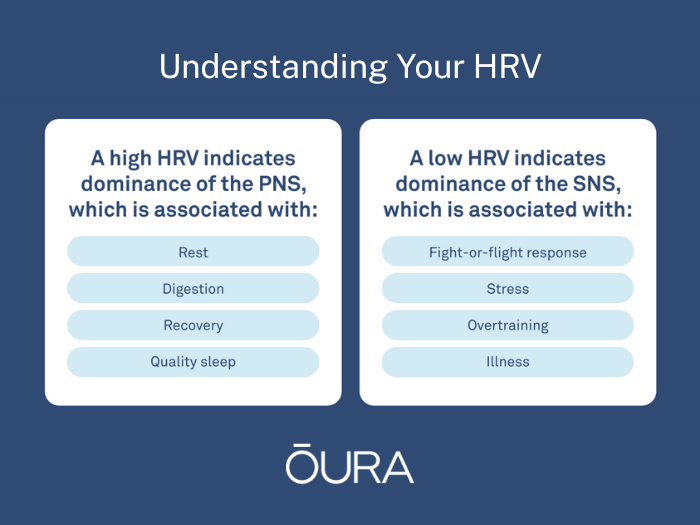
كقاعدة عامة:
- يرتبط ارتفاع التغير في معدل ضربات القلب بحالة الراحة والهضم، واللياقة العامة، والتعافي الجيد
- يرتبط انخفاض التغير في معدل ضربات القلب باستجابة نظام القتال أو الهروب، أو الإجهاد، أو المرض، أو الإفراط في التدريب.
ومع ذلك، عليك أن تضع في اعتبارك أن التغير في معدل ضربات قلبك فريد للغاية ويعكس حالتك الشخصية. “مرتفع” و”منخفض” لتغير معدل ضربات القلب هما قيمتان نسبيتان لكل فرد، فهو مقياس حساس للغاية. يمتلك بعض الأفراد قيمة تغير في معدل ضربات القلب ثابتة، بينما يشهد الآخرون تقلبات كبيرة.
من الطبيعي أن تُلاحظ تقلبات يومية وموسمية في معدل تغير ضربات القلب.
هل يمكنك تحسين التغير في معدل ضربات قلبك؟
نعم، يمكنك تحسين معدل تغير ضربات القلب من خلال التركيز على عادات نمط حياة صحية. ومع ذلك، هناك بعض العوامل التي لا يمكنك التحكم بها، مثل العمر أو العوامل الوراثية.
عوامل خارج سيطرتك
- العوامل الجينية تركيبتك الجينيةتلعب دورًا كبيرًا في تحديد المستوى الأساسي لتغير معدل ضربات قلبك. تعني الاختلافات الجينية أن لكل شخص جهازًا عصبيًا لاإراديًا فريدًا، وهو ما يؤدي إلى فروق فردية في أنماط التغير في معدل ضربات القلب (HRV). نتيجة لذلك، قد يكون التغير في معدل ضربات قلبك مرتفعًا أو منخفضًا بشكل طبيعي. بينما لا يمكنك تغيير ميولك الوراثية، فإن فهم المستوى الأساسي لتغير معدل ضربات قلبك قد يساعدك.
- العمر: يتغير معدل تغير ضربات القلب مع تقدم العمر. بشكل عام، يميل التغير في معدل ضربات القلب إلى الانخفاض مع تقدم العمر. يُنسب هذا الانخفاض إلى تغييرات مختلفة مرتبطة بالعمر في الجهاز العصبي اللاإرادي ووظيفة القلب. ومع ذلك، حتى داخل مجموعات الأعمار المحددة، توجد اختلافات فردية في التغير في معدل ضربات القلب.
- دورات الهرمونات: يمكن أن تؤثر دورات الهرمونات، خصوصًا عند النساء، على التغير في معدل ضربات القلب. يمكن أن تؤثر الدورة الشهرية وتقلبات هرمونات الجنس مثل الإستروجين والبروجسترون على الجهاز العصبي اللاإرادي، وبالتالي على معدل تغير ضربات القلب. التغيرات في معدل ضربات القلب خلال مراحل الدورة الشهرية المختلفة ليست أمرًا نادرًا.
- الصحة النفسية والعواطف: تُظهر الدراسات أن المشاعر الإيجابية والاسترخاءقد يزيدان من التغير في معدل ضربات القلب، مما يشير إلى جهاز عصبي لاإرادي أكثر مرونة وتكيفًا. على العكس من ذلك، يمكن أن يؤدي القلق والإجهاد إلى انخفاض التغير في معدل ضربات القلب، مما يدل على استجابة عصبية ذاتية أقل مرونة.
- المرض: بعض الأمراض والمشاكل الصحية، مثل أمراض القلب والأوعية الدموية، السكري، ارتفاع ضغط الدم، أو اضطرابات التنفس، قد يكون لها تأثير على التغير في معدل ضربات القلب. خلال المرض، قد ينخفض التغير في معدل ضربات القلب بسبب استجابة الجسم للإجهاد البدني.
اقرأ المزيد: التغير في معدل ضربات القلب والإجهاد: ما الذي يمكن أن يخبركِ به التغير في معدل ضربات القلب حول صحتك النفسية
عوامل يمكنك التحكم فيها
- روتين النوم: يمكن أن تؤثر إيقاعاتك البيولوجية الداخلية، مثل الإيقاع اليومي ودورة النوم والاستيقاظ، على التغير في معدل ضربات القلب. على سبيل المثال، يمكن أن تُسهم دورة النوم والاستيقاظ التي تساعد على تحقيق نوم كافٍ ومريح في تحسين التغير في معدل ضربات القلب، بينما قد تؤدي اضطرابات النوم ونقص النوم إلى انخفاض التغير في معدل ضربات القلب. الأمر الإيجابي هو أنه يمكنك تنسيق حياتك اليومية مع إيقاع جسمك الطبيعي لتحسين نومك وزيادة التغير في معدل ضربات القلب.
- العوامل البيئية: يمكن أن تؤثر العوامل البيئية، مثل جودة الهواء، درجة الحرارة، و الارتفاع، على التغير في معدل ضربات القلب.
- الأدوية والمواد: يمكن أن تؤثر الأدوية والمواد المختلفة على الجهاز العصبي اللاإرادي، وبالتالي، على التغير في معدل ضربات القلب. على سبيل المثال، المواد مثل الكحول، الكافيين أو بعض الأدوية قد تزيد من النشاط الودي وتقلل من التغير في معدل ضربات القلب.
- نمط الحياة: تسهم خيارات نمط حياتك، بما في ذلك مستوى نشاطك البدني وجودة نومك وإدارة الإجهاد، إلى جانب شرب الماء والعادات الغذائية، في تشكيل أنماط التغير في معدل ضربات قلبك (HRV). هذا يعني أن لديك بعض السيطرة على توازن التغير في معدل ضربات القلب.
| قصة عضو: على تطبيق Oura، لاحظ يوسي ل. أن استهلاك الكحول أثّر سلبًا في جودة نومه والتغير في معدل ضربات القلب (HRV). بالاعتماد على تحليلات Oura التفصيلية، عدّل يوسي نظامه الغذائي وروتينه المسائي، ما أدى إلى تحسّن التغير في معدل ضربات القلب (HRV). “مع إدخال كل هذه التغييرات، لاحظتُ أن بيانات Oura لديّ بدأت تتحسّن”، على حدّ قوله. “ارتفع التغير في معدل ضربات قلبي إلى 60 لفترة، وهو أمر رائع بالنسبة لعمري.” |
ما هو التغير الطبيعي في معدل ضربات القلب (HRV)؟
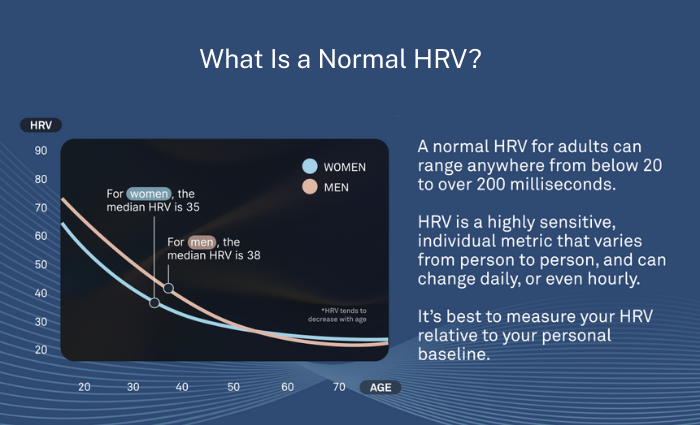
يمكن أن يتراوح التغير في معدل ضربات القلب (HRV) الطبيعي للبالغين من أقل من 20 إلى أكثر من 200 مللي ثانية.* أفضل طريقة لتحديد نطاق التغير في معدل ضربات القلب الطبيعي هي استخدام جهاز قابل للارتداء يقيس التغير في معدل ضربات القلب في بيئة محكومة، مثل النوم، ويحدد المستوى الأساسي خلال بضعة أسابيع.
هل ترغب في معرفة كيف تقارن درجات التغير في معدل ضربات القلب لدى الأعضاء الآخرين في Oura؟ هنا، تجد تحليلًا لبيانات مجتمع Oura، والذي كشف عن نطاق درجات التغير في معدل ضربات القلب الطبيعية بين أعضاء Oura بالإضافة إلى أنماط التغير المثيرة للاهتمام عبر العمر والجنس. انتقل إلى هذه المدونة لتعرف المزيد عن متوسط التغير في معدل ضربات القلب لدى أعضاء Oura.
هل من الطبيعي أن يتقلّب التغير في معدل ضربات القلب (HRV)؟
نعم، التغير في معدل ضربات القلب هو من المقاييس شديدة الاستجابة. في تطبيق Oura، تشمل المقاييس المفيدة للمتابعة على المدى القصير والطويل متوسط التغير في معدل ضربات القلب نهارًا وليلاً، إلى جانب توازن التغير في معدل ضربات القلب والتغير في معدل ضربات القلب على مدى الأشهر، ويمكنك الوصول إليها من خلال عرض الاتجاهات.
من المهم ملاحظة أنه بالرغم من أن بعض الشروحات تبسط التغير في معدل ضربات القلب (HRV) وتعتبر الرقم المرتفع دائمًا إيجابيًا والرقم المنخفض دائمًا سلبيًا، فإن الصورة الحقيقية أعقد من ذلك بكثير.
بينما يُعد التغير في معدل ضربات القلب المرتفع أمرًا إيجابيًا بشكل عام، هناك حالات يكون فيها التغير في معدل ضربات القلب المنخفض ضروريًا بل ومرغوبًا فيه. على سبيل المثال، أثناء التمرينات الشاقة، يعكس انخفاض التغير في معدل ضربات القلب سيطرة نظام القتال أو الهروب بشكل مناسب لرفع معدل ضربات القلب ودعم النشاط البدني. سيتعافى التغير في معدل ضربات قلبك بعد ذلك، حيث يتولى الجهاز المسؤول عن الراحة والهضم مساعدتك على التعافي.
تتكرر هذه التقلبات طوال اليوم، حيث تواجه جهازك العصبي تحديات يومية متنوعة باستمرار. مجرد شعورك بالحماس أو انتقالك من الأريكة إلى الحمام يمكن أن يؤثر على التغير في معدل ضربات قلبك في أي لحظة.
بقياس التغير في معدل ضربات القلب (HRV) خلال النهار، فإنك ترصد استجابة جسدك لهذه التغيرات العابرة. إذا كنت ترغب في فهم حالتك الفسيولوجية المزمنة، فإن أفضل وقت لقياس التغير في معدل ضربات القلب هو أثناء النوم.
في الليل، يكون جسمك في حالة مستقرة، دون أي عوامل مؤثرة مربكة مثل الطعام أو التفاعلات الاجتماعية أو تغيّر البيئة. بعض الأجهزة القابلة للارتداء تتبع نهج المقارنة المباشرة عندما يتعلق الأمر بقياساتك. لا يذكرون أن القياسات النهارية قد تخفي الصورة الحقيقية لتوازن جهازك العصبي اللاإرادي.
من خلال متابعة التغير في معدل ضربات القلب (HRV)، يمكنك الوصول لأعلى مستويات الإنتاجية، وإدارة الإجهاد، وضبط خطط تدريبك بعناية.
يمكن أن توفر قراءة واحدة للتغير في معدل ضربات القلب ليلاً تحليلات تفصيلية، مثل:
- درجة التغير في معدل ضربات القلب المرتفعة التي تعكس يوم راحة، أو غرفة نوم باردة، أو أنشطة منخفضة/معتدلة الشدة تُمارَس بوعي، مثل المشي لمسافات طويلة أو اليوغا
- انخفاض درجة التغير في معدل ضربات القلب الناتج عن الجفاف، أو تناول الكحول، أو تناول وجبة متأخرة، أو ممارسة التمارين، أو الإصابة بمرض، أو أداء تمرين رياضي عالي الشدة، أو التعرض لإجهاد حاد، أو التواجد في غرفة نوم حارة
قد تلاحظ أن التغير في معدل ضربات قلبك يختلف بشكل كبير من يوم لآخر. إذا كنت تبحث عن أنماط، فإن ما يهم هو نمط التغير في معدل ضربات قلبك.
اقرأ المزيد: كيفية تحسين التغير في معدل ضربات القلب (تغير معدل ضربات القلب)
التغير في معدل ضربات القلب: الأسئلة الشائعة
ما المقصود بالتغير في معدل ضربات القلب؟
يُقصد بالغير في معدل ضربات القلب (HRV) التغير الطبيعي، على مستوى المللي ثانية، في توقيت ضربات قلبك. إنه مؤشر رئيسي على توازن نظامك العصبي، يظهر مدى قدرة جسمك على التكيف مع الإجهاد والتعافي.
ما المقصود بالتغير في معدل ضربات القلب بالمللي ثانية؟
التغير في معدل ضربات القلب (HRV) بالمللي ثانية هو ببساطة قياس تغير معدل ضربات القلب، والرقم الذي تراه يُعبَّر عنه بالمللي ثانية (ms). وهو يعكس الفروق الصغيرة والصحية في الوقت بين كل نبضات القلب.
ما هي القيمة الجيدة للتغير في معدل ضربات القلب (HRV)؟
لا يمكن تحديد قيمة واحدة للتغير في معدل ضربات القلب (HRV) على أنها “جيدة”، فكل شخص يختلف عن الآخر. يمكن أن تتراوح مستويات التغير في معدل ضربات القلب الصحية بشكل واسع من شخص لآخر. الأهم هو أن تتابع متوسطك الشخصي مع مرور الوقت. لكن إذا كنت تتساءل عن مستوى التغير في معدل ضربات القلب الذي يُعَد جيدًا أو صحيًا، فاعلم أنه بشكل عام، ارتفاع التغير في معدل ضربات القلبيشير إلى حالة من الراحة والتعافي، بينما انخفاض التغير في معدل ضربات القلبقد يدل على الإجهاد أو المرض أو التعب.
ما المعدل الطبيعي للتغير في معدل ضربات القلب (HRV)؟
يمكن أن يتراوح تغير معدل ضربات القلب الطبيعي من أقل من 20 إلى أكثر من 200 مللي ثانية. مع ذلك، إذا كان التغير في معدل ضربات قلبك (HRV) 18 مالي ثانية، فهذا لا يعني بالضرورة وجود مشكلة. متوسط التغير في معدل ضربات القلب بين جميع أعضاء Oura هو 41 مللي ثانية، لكن التغير في معدل ضربات القلب يختلف ويتغير من يوم لآخر. كما يُظهر هذا الرسم البياني، يميل التغير في معدل ضربات القلب إلى أن يكون أعلى بكثير لدى الشباب مقارنة بكبار السن. لكن تذكّر: إذا كنت تتساءل عن القيم المثلى للتغير في معدل ضربات القلب (HRV)، فعليك أن تعرف أنها تختلف من شخص لآخر.
اعرف المزيد: ما هو متوسط التغير في معدل ضربات القلب؟
ما هي درجة التغير في معدل ضربات القلب؟
تقيس Oura تغير معدل ضربات قلبك أثناء النوم. في كل صباح، عند فتحك لتطبيق Oura، ستلاحظ متوسط التغير في معدل ضربات القلب أثناء النوم. في Oura، يُعرف هذا باسم درجة التغير في معدل ضربات القلب (HRV) الخاصة بك، ولكن خارج Oura، قد تلاحظ أيضًا أنه يُشار إليه بمستوى التغير في معدل ضربات القلب أو حالة التغير في معدل ضربات القلب.
ما العوامل التي تؤثر على التغير في معدل ضربات القلب؟
تؤثر العديد من العوامل على التغير في معدل ضربات القلب، بما في ذلك تلك التي لا يمكنك التحكم فيها، مثل العوامل الوراثية والعمر ودورات الهرمونات. ومع ذلك، يمكنك التأثير بشكل إيجابي على التغير في معدل ضربات القلب من خلال العادات الصحية. الحصول على نوم كافٍ وعالي الجودة، وإدارة الإجهاد، وممارسة الرياضة بانتظام، وشرب كمية كافية من الماء، كلها عوامل تسهم في تحسين التغير في معدل ضربات القلب (HRV).
لماذا تتفاوت قراءات التغير في معدل ضربات قلبك؟
من الطبيعي تمامًا أن تختلف قراءات التغير في معدل ضربات قلبك طوال اليوم ومن يوم لآخر. تعكس هذه التغيرات استجابة جسمك الطبيعية للأنشطة المختلفة ومصادر الإجهاد. على سبيل المثال، سينخفض التغير في معدل ضربات قلبك أثناء التمرين الشديد، ثم يرتفع مجددًا مع تعافي جسمك.