



After climbing into bed at night and turning off the lights, the last thing you want to do is lie awake, staring into the darkness. If this sounds familiar, you might wonder: How long does it take to fall asleep at night?
What Is Sleep Latency?
The amount of time it takes to fall asleep after going to bed is known as sleep latency. Ideally, you should fall asleep within 10 to 20 minutes of lying down. Falling asleep in less than 5 minutes may be a sign of overtiredness.
If you have trouble falling asleep, try doing something relaxing, ideally in low light, until you feel sleepy again. For some, it can help to get out of bed, but avoid doing something that energizes you.
| Member Tip: In the Oura App, sleep latency is one of the contributors that make up your Sleep Score. This contributor evaluates the amount of time it takes for you to fall asleep against the recommended sleep latency time, helping you determine the overall quality of your sleep. |
RELATED: Sleep Hygiene 101
How Can I Use Oura to Improve Sleep Quality?
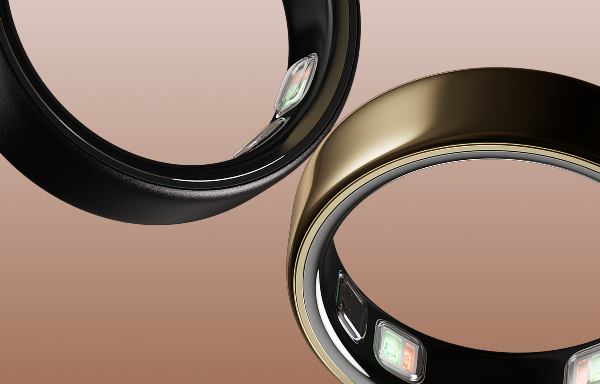
Oura can’t improve your sleep for you, but it can give you the data and suggestions to make the changes that do. Your nightly Sleep Score and long-term trends show what may be affecting your sleep. It can give you a window into your chronotype (your body’s natural sleep and wake patterns) and your optimal sleeping window. Studies show that regularity in sleep patterns, with consistent bedtimes and wake-up times, is favourably associated with health.
It can also show how your lifestyle choices affect your sleep. Say you add a Tag after an afternoon coffee or a late-night meal. Over a few weeks, you can see whether those nights line up with a lower Sleep Score, less deep sleep, or a higher resting heart rate.
For a step-by-step plan built around your ring’s insights, see The Ultimate Guide to Improving Your Sleep With Oura.
Is Falling Asleep Fast a Good Thing?
Falling asleep too quickly isn’t always a good thing. In fact, research suggests that a sleep latency of less than eight minutes may indicate severe sleepiness caused by sleep deprivation.
While it can’t be used to diagnose medical conditions, Oura can provide helpful insights into how certain conditions like sleep apnea and restless leg syndrome may be affecting how well you sleep. For example, Oura members can use the Nighttime Movement feature to determine if excess movement during the night is affecting their quality of sleep.
| Member Tip: Estimating sleep latency and total sleep time relies on interpreting physiological signals that can vary night to night. Because of this, your sleep latency, bedtime, or total sleep time might occasionally appear different from what you experienced. You can manually adjust your bedtime or wake-up times if you feel they’re inaccurate. |
How To Fall Asleep Faster
If you’re taking a long time to fall asleep and it’s impacting how you feel the next day, it might be time to try some interventions to help you fall asleep more quickly.
You can take a closer look at your sleep hygiene, i.e., your environment, behaviors, and habits as you get ready to sleep.
Sleep environment
- Remove or dim light sources
- Keep bedroom cool (about 16–19°C / 60–67°F where comfortable)
- Play calming background noise or try breathing exercises for relaxation
| Member Tip: Oura members can access breathing exercises in the Explore content of the Oura App. After each session, members receive a Wellness Session Biofeedback report detailing how their body responded to the session. |
Evening habits
- Avoid caffeine and heavy meals before bed
- Wind down 30–60 minutes before lights-out (no screens)
- Try a warm shower or bath before bed to signal to your body it’s time to wind down
Behavioral consistency
- Keep consistent sleep and wake times
- Track sleep latency across nights to spot trends with a device like Oura
Some Ways to Fall Asleep Fast That Don’t Work
In popular culture, there are many often-cited tips and tricks to help you fall asleep fast that don’t actually have a lot of science behind them. To name a few:
- Counting sheep: Although counting sheep is a popular notion, its effectiveness varies. For example, it may keep your mind engaged, hindering relaxation rather than promoting it.
- Drinking alcohol: While some people turn to alcohol to fall asleep faster, its impact is deceiving. Alcohol may induce drowsiness initially, but it disrupts sleep patterns and undermines overall sleep quality. Oura members can use Tags to see how alcohol impacts their sleep quality.
- Watching TV: Some people believe that watching TV, especially TV static, can help them wind down and fall asleep faster. However, the blue light emitted by screens can suppress the production of melatonin, a hormone that regulates sleep-wake cycles, making it harder to fall asleep. Instead of watching TV static, try listening to calming sounds that promote sleep.
READ MORE: 8 Foods and Drinks For Better Sleep (And 4 To Avoid!)
Frequently Asked Questions About Sleep Latency
What’s a normal sleep latency (how long should it take to fall asleep)?
For most healthy people, it takes about 10 to 20 minutes to drift off. It varies person to person, so your own trend over time tells you more than any single night.
Why does it take me so long to fall asleep?
Trouble falling asleep is usually tied to your habits and environment: high levels of stress, caffeine too late in the day, screens before bed, an overly warm or noisy room. Tracking your sleep latency across nights (in the Oura App, it’s part of your Sleep Score) helps you spot which of these is actually holding you back.
What’s the fastest way to fall asleep?
Changing your environment or habits may help you fall asleep faster. For example sleeping in a cool, dark room, no caffeine or screens before bed, and a consistent wind-down routine.