






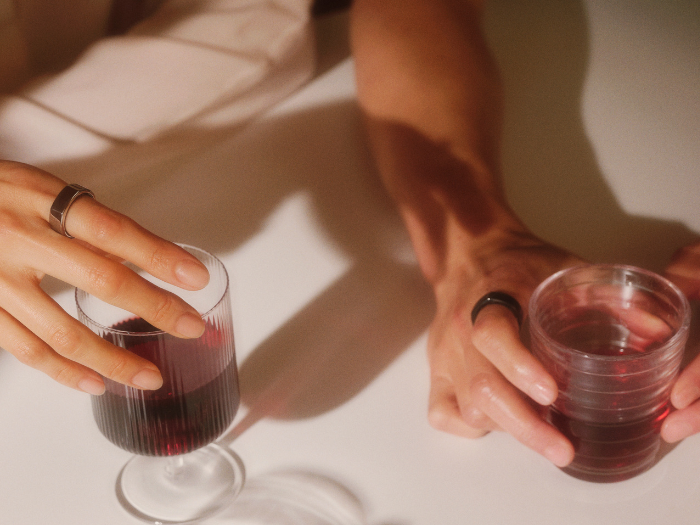
For decades, many of us heard the adage that a glass of red wine was “heart-healthy.” However, the World Health Organization (WHO) recently issued a stark update: There is no safe level of alcohol consumption.
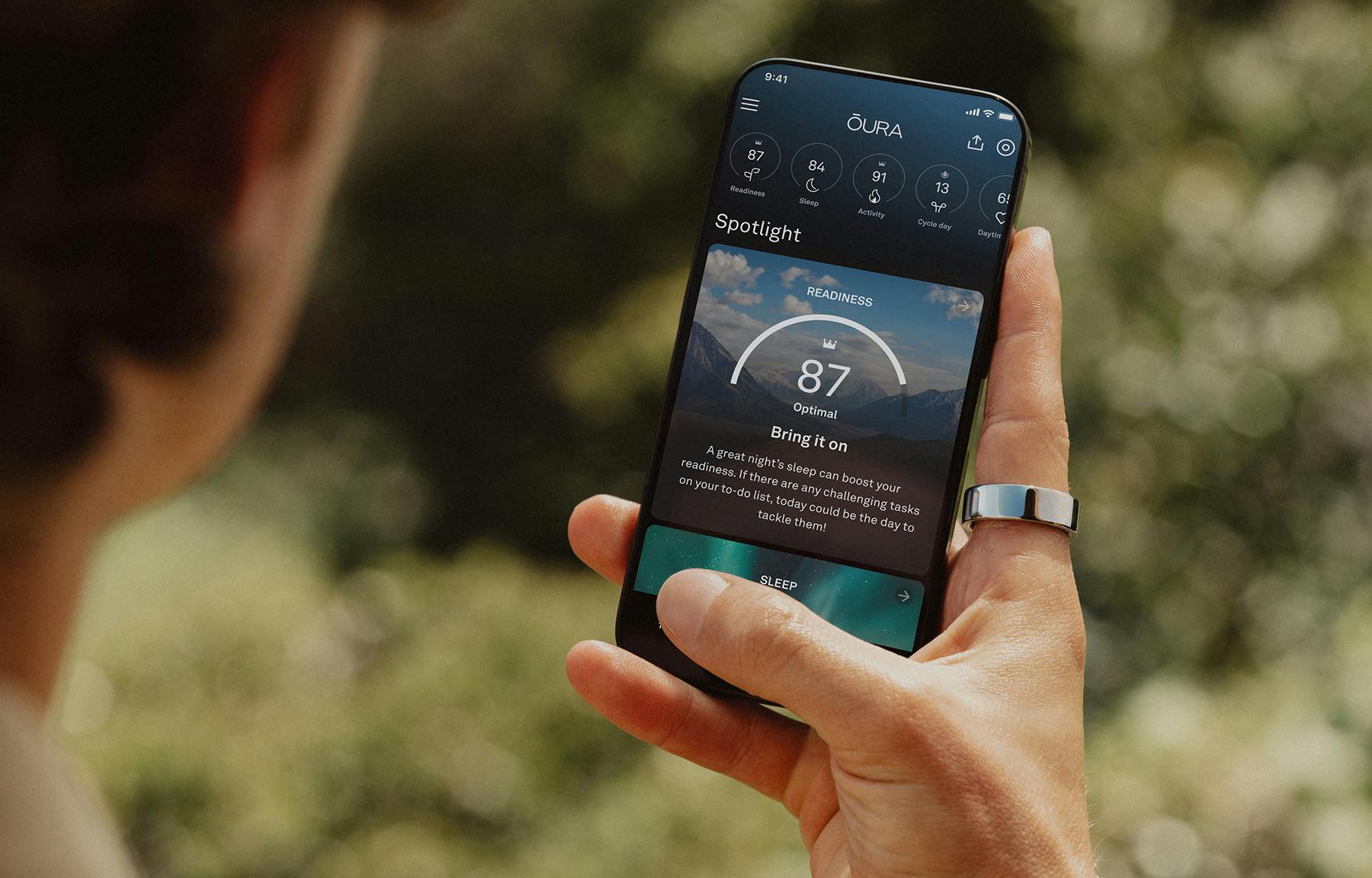
As a neuroscientist and behavioral change coach, I’ve seen the physiological effects of alcohol play out in real-time through Oura data for both myself and my clients. When you drink, your body isn’t “relaxing”—it is working overtime to process a toxin. This metabolic stress often manifests in Oura data as a spiked resting heart rate and plummeted heart rate variability (HRV).
Keep reading as we debunk the most persistent alcohol myths with up-to-date science, helping you make an informed choice before your next social hour.
READ MORE: How Alcohol Impacts Sleep, According to Oura Member Data
The Truth About How Alcohol Actually Affects Your Health
1. Myth: Red wine benefits your heart health.
The reasoning behind this so-called “French paradox” is that red wine contains an antioxidant compound known as flavonoids, such as resveratrol, which have cardioprotective benefits.
Truth: To get a therapeutic dose of antioxidants, you’d have to drink wine to the point of acute toxicity—counteracting any potential health benefits. Instead, alcohol increases the risk of atrial fibrillation (AFib) and hypertension.
If you want to enjoy the heart-boosting benefits of flavonoids, opt for fruits and vegetables—such as onions, kale, grapes, tea, peaches, tomatoes, and broccoli—over wine.
2. Myth: Alcohol helps you sleep.
Research finds nearly 30% of U.S. adults drink alcohol to help them fall asleep, and 67% of people who experience insomnia report using alcohol to help them sleep. It may be tempting, as alcohol is a nervous system depressant, which may make it easier to fall asleep. But
Truth: During the night, as you metabolize the alcohol and its effects wear off, it definitively disrupts your sleep quality. I can attest to this: Whenever I drink, I’ll wake up around 3am like clockwork. Many of my clients report the same sleep disruptions, and Oura member data shows a decrease in deep, restful sleep after a night of drinking.
Rapid eye movement (REM) sleep is also vulnerable to the effects of alcohol, which is why you’re more likely to wake up at 3am—that’s when you typically shift from more deep sleep cycles to more REM sleep cycles.
Another truth bomb: While alcohol is indeed classified as a depressant, it can also have stimulating effects depending on the concentration in your blood. Alcohol affects both excitatory and inhibitory neurotransmitters, so when it starts to leave your system during the night, it can increase brain activity (acting as a stimulant), causing you to wake up.
If you decide to drink on a special night out, aim to stop at least four hours before bed to reduce the impact of alcohol on your sleep. This won’t completely undo the effects, but it can help to reduce them by allowing the alcohol concentration in your blood to lower while you’re still awake.
READ MORE: How Does Alcohol Impact Oura Members?
3. Myth: Alcohol relieves stress and anxiety.
Reaching for a drink after a rough day is a common habit. Although people turn to alcohol to reduce anxiety, distract their minds, and boost their moods, it’s important to remember that alcohol is ultimately a depressant.
Truth: Just as alcohol may lull you into sleep only to disrupt it in the long run, the initial effects can trick your brain into thinking it’s relaxing—but only at first.
With your first drink, alcohol floods your brain with dopamine, giving you a temporary stress-relieving boost. However, that pleasure quickly can quickly evolve into feelings of nervousness and anxiety. This can also lead to a higher heart rate and lower HRV (both symptoms of stress on your body) during the withdrawal period.
This is known as an “anxiety rebound,” and it may lead you to consume more alcohol to alleviate your stress, unaware that drinking actually intensifies it—a very vicious cycle! To destress in a more effective and healthy way, pick a different coping strategy like exercise, a fun hobby, or spending time with loved ones.
| Member Tip: Keep an eye on your Daytime Stress graph on the Oura App. You may notice that your stress spikes after drinking alcohol—evidence that it’s not as relaxing as you initially assumed! |
4. Myth: Alcohol makes you more sociable.
 Liquid courage, right? That burst of extraversion you get after a drink can be chalked to alcohol’s effects on neurotransmitters, particularly GABA (gamma-aminobutyric acid), a neurotransmitter that slows down brain activity and leads to feelings of relaxation and reduced anxiety.
However, while reduced inhibitions might make you more talkative and outgoing, it doesn’t necessarily mean you’re socializing in the healthiest way.
Truth: Alcohol specifically impairs the prefrontal cortex—the “brakes” of the brain. That’s why it’s likely you or someone you love has gotten argumentative, emotional, or angry after a few too many glasses of wine. Unfortunately, this effect is more common than you’d think.
Research shows that alcohol is linked to aggressiveness, an increased likelihood of disclosing personal or sensitive information, and engaging in detrimental or dangerous behaviors.
Another study found that social drinkers showed significantly reduced amygdala reactivity to threat signals when shown neutral and angry faces. This suggests that alcohol impairs their ability to pick up on social cues that others may be uninterested or angry.
While alcohol may make socializing feel easier, it can lead to oversharing, misinterpreting others’ emotions, and not presenting yourself as intended. To avoid these effects, limit your drinking at social events and drink water between drinks to stay alert.
5. Myth: A few drinks won’t affect your athletic performance.
I’ve noticed that many people train hard in the gym and take their diet seriously throughout the week, but as soon as the weekend hits, their alcohol consumption goes through the roof. You may think that keeping healthy habits for the majority of the time outweighs a weekend splurge, but that’s unfortunately not the case.
Truth: If you’re working toward a physical goal, alcohol can seriously offset your progress. Alcohol hinders athletic performance by impairing muscle recovery, slowing down reaction times, and disrupting coordination. It also dehydrates the body, reduces endurance, and interferes with energy metabolism, all of which can negatively impact physical performance and overall athletic abilities.
READ MORE: How Sleep Helps Muscle Recovery and Growth
6. Myth: Drinking is only problematic if you do it every day.
You only drink on weekends; how could you be a heavy drinker? In reality, heavy drinking is classified as how many drinks you consume throughout an entire week. These could be spaced out or all consumed in one night.
Truth: According to the National Institute of Health, for men, heavy drinking is considered as five or more drinks on a single day or 15 or more per week. For women, heavy drinking is considered as four or more drinks on a single day or eight or more drinks per week.
For reference, a single “drink” is typically defined as containing about 14 grams of pure alcohol. This translates to a 5-ounce glass of wine, a 12-ounce beer, or a 1.5-ounce shot of distilled spirits like vodka, whiskey, or tequila.
In general, for brain health, I recommend people drink a maximum of one serving of alcohol once or twice a month.
Regardless of the guidelines, drinking can be problematic if it results in negative feelings, choices, or outcomes, which is highly individualistic.
To help identify if your drinking might be problematic, the National Institute on Alcohol Abuse and Alcoholism (NIAAA) provides a list of signs to look for, including:
- Drinking more or for longer than intended
- Trying to cut down or stop drinking but not being able to
- Spending a lot of time drinking, being sick from drinking, or recovering from the aftereffects
- Continuing to drink even when it causes trouble in relationships
- Giving up or cutting back on activities that were important or enjoyable in order to drink
If you’re concerned about your alcohol use, it’s important to consult with a healthcare professional. They can provide guidance and support tailored to your needs.
| Member Tip: Tag when you drink alcohol on the Oura App. When you tag it regularly, you may get notified of a personal Discovery, showing how alcohol impacts your individual biometrics. |