





Mike Freedman, MD, MPhil is Oura’s Clinical Director of Heart Health, where he leads the strategic vision for cardiovascular health experiences across product, science, and clinical research. Dr. Freedman bridges the gap between complex cardiovascular pathophysiology and digital innovation to ensure Oura’s heart health capabilities are scientifically rigorous, trusted, and deeply human-centered.
Before joining Oura, Dr. Freedman led Clinical Innovation for the Digital Health Team at Samsung Research America. In this role, he directed cross-functional digital health R&D strategy and clinical evidence, guiding a diverse portfolio focused on cardiac health and other domains. His work applied a clinical lens across all aspects of the R&D pipeline, including designing sensors and large-scale clinical studies, and establishing rigorous framework requirements for algorithm and AI endpoints. Prior to his medical training, Dr Freedman built epidemiologic and health economics and outcomes research (HEOR) models driving strategic decisions for large health organizations such as the Bill & Melinda Gates Foundation, Roche/Genentech, and the Centers for Disease Control and Prevention.
Dr. Freedman continues to practice medicine at Stanford University School of Medicine and Lucile Packard Children’s Hospital, where he cares for patients in the cardiovascular intensive care unit (CVICU). He holds four undergraduate degrees from the University of Pittsburgh. He earned an MPhil in Bioscience Enterprise from the University of Cambridge as a Whitaker Fellow, and received his Medical Doctorate (MD) with distinction in Clinical & Translational Research from UCSF. Dr. Freedman completed his pediatric residency training at UPMC Children’s Hospital of Pittsburgh, followed by a pediatric critical care medicine fellowship and an NLM postdoctoral fellowship in biomedical informatics at Stanford University.
What drew you to work with Oura?
I was drawn to Oura’s deep commitment to evidence. The team validates their features, publishes their findings, and is transparent about the technology’s capabilities and limitations. That kind of scientific honesty is immeasurably valuable in consumer health.
READ MORE: New NUS Research Validates Oura’s Vascular Age Estimation, a Key Indicator of Cardiovascular Health
What are you most excited to work on at Oura?
While I’m tempted to say that I’m most excited about the pipeline of innovative features and products we have underway, I can’t deny that it’s the people that make the work incredible and fun. I’m lucky to be surrounded by and work with some of the most talented, motivated, and mission-driven folks I’ve ever met.
What have you learned about your own health since using Oura?
I’ve been fascinated to follow my Cardiovascular Age. It’s one of the few features from wearables that gives you a clinically relevant measure of your cardiovascular fitness that is truly modifiable. And even more encouraging for me is that I’ve been able to get much of it back after the years of physical toll that medical training had on my body.
What do you wish more people knew about their heart health?
While some of our risk is based on the genetic hand we’re dealt, the vast majority of cardiovascular risk is driven by lifestyle. No matter if you’ve been focusing on your health for years or making a fresh start today, we can all make good choices to improve our cardiovascular risk. Oura helps people make that connection between how you live your days and how you want to live your years.
RELATED: 8 Ways to Improve Your Cardiovascular Health
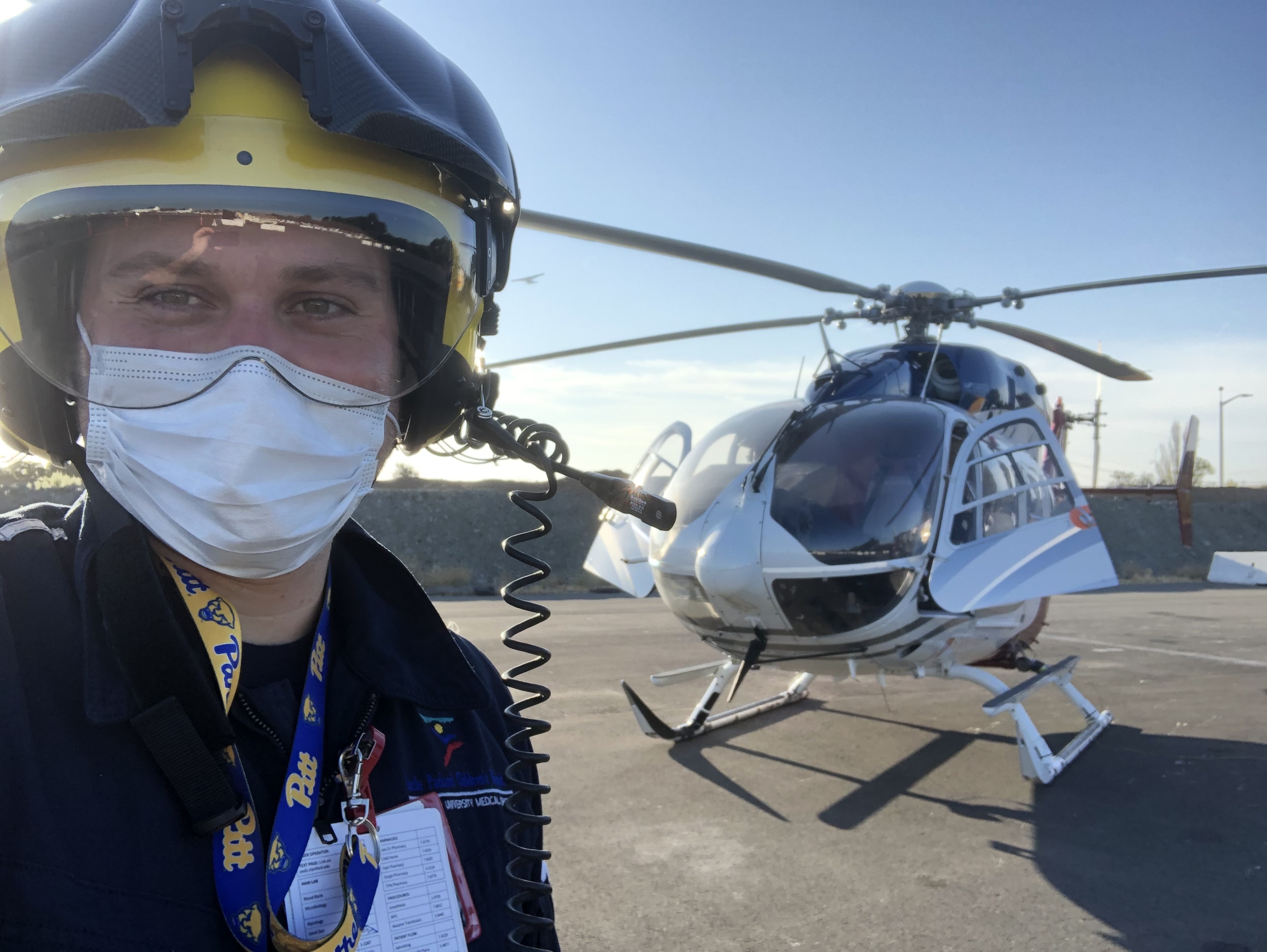
You have a fascinatingly diverse background—from pediatric cardiac intensive care to tech R&D. What drove you to focus your career so deeply on heart health?
I’ve always been interested in the mathematical relationships of dynamic systems—how changing one piece of a system affects all the other pieces around it. In a population, this may look like surging rates of infection in cities that do not have access to a vaccine. Cardiovascular (heart) health is a beautiful example of this. In a critically ill heart failure patient, similar dynamics determine how a recovering heart has an easier time pumping against the blood pressure we’ve lowered. Still, the health of the population or the person isn’t as important as the person themselves. Working in cardiovascular medicine allows me the privilege of caring for patients during some of the most vulnerable moments of their lives, while simultaneously working hard at Oura to dethrone heart disease from being the leading cause of death in the US and worldwide.
READ MORE: 7 Must-Know Facts About Heart Disease in Women
Where do you see the future of everyday heart health tracking going in the next few years?
With increasingly fragmented access to care and now nearly half of all Americans using a wearable device, we are shifting from a paradigm of seeing the doctor infrequently in clinic when you’re sick and receiving generic care, to using continuous data from your devices supported by AI to keep you healthy at home using guidance personalized to you. More data from different sources, including DNA and gene expression (transcriptomics), while now mostly used in hospitals and in research, are becoming more accessible and may help personalize your care even more.
#1 Oura metric or score you look at in the morning?
Must-do morning ritual?
Coffee, lots.
Midday energy booster?
Nothing beats a brisk walk & talk.
Evening wind-down routine?
Some tea and believe it or not, puzzles.
Surprising side interest or hobby?
Like Dr. Ricky, I too play the saxophone, once leading a small but mighty klezmer trio called «Boyz II Mensch.»