






- GLP-1 medications are reshaping weight loss— but the benefits only last as long as patients are adherent. With real-world persistence falling to just 32% at one year, and evidence showing rapid reversal of gains after stopping, adherence is the defining clinical challenge of this therapeutic moment.
- Oura's GLP-1 Insights feature was built to meet that challenge. Dose tracking, side effect logging, contextual education, and longitudinal biometric monitoring support patients taking GLP-1 RAs and give clinicians a clearer picture of how patients are responding to their medications.
The GLP-1 Inflection Point
Few pharmacological developments in recent memory have reshaped clinical practice as rapidly as GLP-1 receptor agonists (GLP-1 RAs). What began as a diabetes management medication has rapidly evolved into a transformative intervention across metabolic health with demonstrated efficacy in type 2 diabetes, obesity, cardiovascular risk reduction, and metabolic dysfunction-associated steatohepatitis (MASH). Research is ongoing into potential applications in kidney disease, sleep apnea, and substance abuse disorders.
The clinical benefits of GLP-1 RAs have been well established but are contingent upon continued use and long-term GLP-1 medication adherence remains a challenge for patients. Real-world persistence data underscores the magnitude of this challenge. A claims-based analysis of 4,066 commercially insured adults with obesity — newly initiating GLP-1 therapy without a diabetes diagnosis — found that overall persistence dropped to 46.3% at 180 days and just 32.3% at one year.
The risks of GLP-1 medication non-adherence represent a clinically significant reversal of the benefits that made the therapy worth starting. A systematic review and meta-analysis of 18 randomized controlled trials demonstrated that cessation of GLP-1 RA therapy results in a clinically significant reversal of therapeutic benefits — including substantial increases in body weight, waist circumference, BMI, systolic blood pressure, fasting plasma glucose, and HbA1c%. The time invested, the costs absorbed, and the weight loss does not translate into lasting benefit without continued medication use.
For clinicians, this represents a therapeutic opportunity and a new set of clinical challenges:
- How do you support patients to sustain adherence when real-world data shows high attrition rates?
- How do you efficiently and effectively coach patients through a months-long titration process?
- How do you monitor progress for gains and stalls between visits?
- How do you close the education gap about side effects as they occur?
Oura's GLP-1 Insights feature was designed to help answer those questions and provide clinicians and patients with a longitudinal view of how the body is responding to treatment over time.
About Oura and GLP-1 Insights
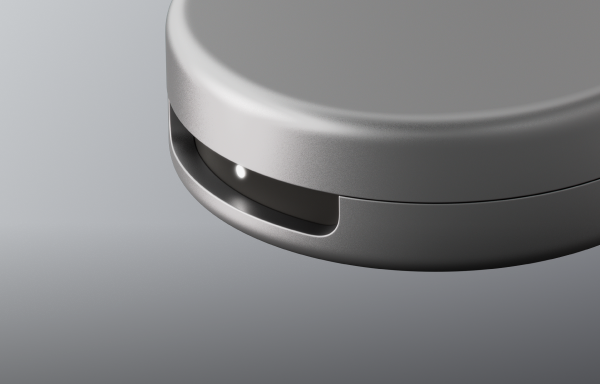
Oura Ring is a smart ring that tracks individual biometrics and delivers insights and daily wellness guidance. Paired with the Oura App, it helps members understand key data signals related to sleep, activity, stress, heart health, and women’s health so they can make everyday decisions that support long-term wellbeing.
GLP-1 Insights is a medication-aware experience in the Oura App designed for members using GLP-1 medications for weight management. It brings together medication adherence, side effect tracking, weight tracking, and biometric monitoring to help members understand how treatment and daily habits are working together over time while on GLP-1 medications. Together with Oura Advisor, a proprietary in-app AI health coach, GLP-1 Insights provides information and check-ins that members can lean on between visits with their care team.
How Oura Can Support Patients Using GLP-1 Medication
GLP-1 Insights provides daily support for patients through medication dose tracking, personalized and contextualized information, longitudinal data tracking, and visit preparation.
- Medication Adherence Support: Dose tracking and reminders give patients a reliable structure within the Oura App around administration timing, reducing the cognitive load of managing a complex, months-long titration schedule, and keeping patients on track between visits. Tracking includes the medication name, dose and frequency, and accommodates injection and oral formulations.
- Contextual Awareness. Patients on GLP-1 therapy experience physiological changes such as shifts in resting heart rate, appetite, and mental health. Without context, those changes can be alarming enough to prompt discontinuation or frequent clinician outreach. Education within the Oura App helps patients understand what to expect in their treatment journey, reducing the uncertainty that too often drives early discontinuation.
- Weight Tracking: Members can log weight manually or import data from smart scales and visualize weight loss longitudinally alongside medication administration dates. This provides patients and clinicians an at-a-glance view of how the treatment timeline maps to outcomes.
- Personalized Health Support with Advisor. Oura's conversational AI agent serves as a personalized support layer between clinical visits, helping patients get answers and build self-awareness in three key ways:
- General GLP-1 education: "What are common side effects of GLP-1 medications?"
- Symptom context and support: "Is the nausea I feel the day after my injection common?"
- Visit preparation: "How often have I logged nausea since starting my medication?"
The GLP-1 data model for Advisor includes recent dose logs and symptom tracking, and the journal-triggered chat uses symptom timing relative to doses to tailor personalized responses.
For clinicians, this means patients arrive to visits less anxious, better informed, and with a cleaner record of what they've experienced, setting the ground for a productive clinical conversation.