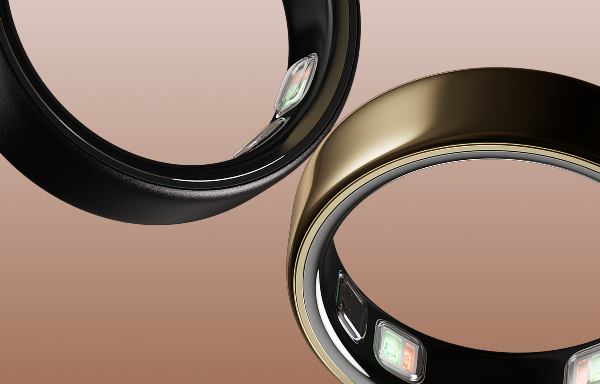





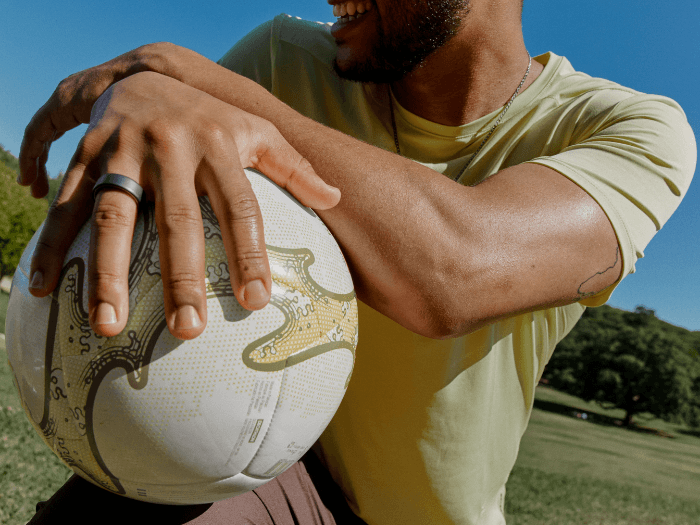
From June 11 to July 19 this summer, millions of fans around the globe tuned in to support their countries in the 2026 World Cup. And while the drama unfolded on screen, Oura Ring was tracking another story right on our members’ fingers.
Oura’s data science team analyzed de-identified, aggregate Oura Member data from competing countries to see how the tournament shifted real-world health metrics—from late-night bedtimes to physiological stress spikes.
Explore the toll that nail-biting football matches took on our members’ metrics, below.
1. Midnight Matches = Late Bedtimes
When the stakes are high, sleep takes a backseat. Dramatic, late-finishing knockout matches pushed median bedtimes drastically later than baseline across multiple time zones:
- Norway: Following their heartbreaking quarterfinal loss to England, Norwegian members stayed up until an average of 2:20am—a massive +170 minute shift from baseline, the single largest bedtime delay in the dataset.
- Argentina: Fans pushing through the high-octane semifinal against England saw their bedtimes delay to 1:58am (+133 minutes).
- Spain: On the night of the Final, Spanish members pushed bedtime back by +80 minutes, turning in around 1:12am.
- England: Celebrating their QF victory over Norway delayed bedtimes to 12:49am (+104 minutes).
2. Match Days Trigger Physiological Stress
Football brings joy—as well as nerves. Oura's Daytime Stress feature tracked significant spikes in Stressed Duration on match days—even when teams won.
| Matchup | Stress Details |
| Germany vs. Ivory Coast | German members clocked 194 minutes of stress |
| Argentina vs. England | Members in Argentina clocked 86% more stressed minutes than average during the semifinal against England |
| Mexico | Stress levels were elevated between 26% to 47% higher than usual for every single match |
3. The Heartbreak Hangover
Oura data revealed that deep tournament runs gradually erode physical recovery, and an elimination match delivers a full-body toll the following morning. Norway's quarterfinal departure was a text-book example of the physiological "heartbreak hangover":
- Sleep Quality Drops: Norwegian members' average Sleep Score fell -9% below baseline.
- Nervous System Strain: Heart rate variability (HRV) fell -12%, while resting heart rate (RHR) increased +4%.
- Readiness Penalty: Overall Readiness Score dropped -10% the morning after.
Throughout their tournament run, Norwegian members saw their Readiness steadily decline as the matches grew more intense, culminating in a perfect storm of late sleep, elevated heart rates, and lower recovery scores.
RELATED: 8 Ways to Improve Your HRV
4. Excitement Drives Step Counts
It wasn't all sedentary couch-watching. The nervous energy and match-day celebrations translated into noticeable spikes in physical activity. Across almost every country analyzed, daily step counts on Oura rose between +8% and +25% on game days.
- Norway: Steps jumped +25% on the day of their QF match.
- Brazil: Opening match excitement drove steps up by +23%.
- Colombia: Match day against Portugal pushed step counts up +22%.
- Switzerland: Tournament opener saw a +21% boost in daily movement.
Methodology: How We Analyzed the Data
- Who: Oura Members across competing nations (data included country-days with at least 500 members).
- The Baseline: Each member’s pre-tournament average from May 18 – June 10, 2026.
- The Timing: Match Day metrics captured Activity Score, Steps, and Stressed Duration. Night After metrics captured Sleep Score, Sleep Duration, Bedtime, HRV, Resting Heart Rate (RHR), and Readiness Score.
Bouncing Back After Big Events
Whether you are pacing your living room during extra time or staying up late to watch the trophy lift, major events test your body's limits.
If your Readiness Score takes a hit after a late night, follow these tips to bring your body back to balance.
- Take time to wind down before bed: Give yourself 30 minutes without screens before bed to lower daytime stress before sleep.
- Stay hydrated: Elevated heart rates overnight are often compounded by celebratory drinks or salty game-day snacks.
- Listen to your body: Take an easy rest day when your HRV dips and your heart rate spikes—your body needs time to reset after emotional highs and lows.