




Team USA’s Taylor Heise is a powerhouse on the ice. A standout at the University of Minnesota and the first-ever #1 overall draft pick in the Professional Women’s Hockey League (PWHL), Taylor has led the Minnesota Frost to back-to-back Walter Cup championships.
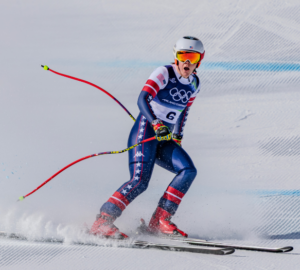
Making her Team USA debut at the Olympic Winter Games Milano Cortina 2026, Taylor helped lead the U.S. Women’s National Team to reclaim the gold medal in a thrilling 2-1 overtime victory over Canada.
Below, Taylor tells us more about how she uses Oura to manage the high-stakes pressure of professional hockey, the data behind her gold-medal-winning morning, and the recovery rituals that keep her grounded.
Congratulations on your Olympic Gold Medal! On the morning of your gold-winning game, how did your Oura Readiness Score and Sleep Score look? Did you feel « all-systems-go, » or did nerves play a factor?
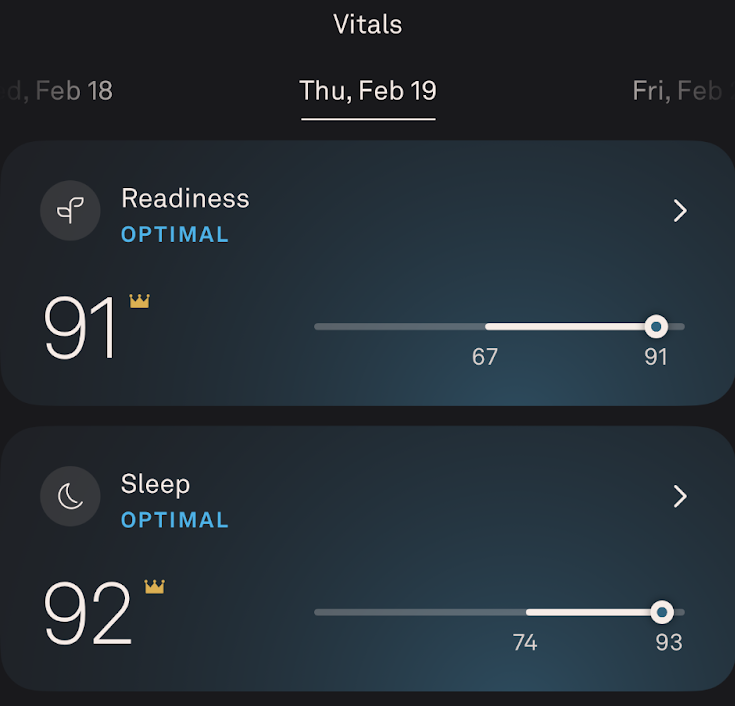
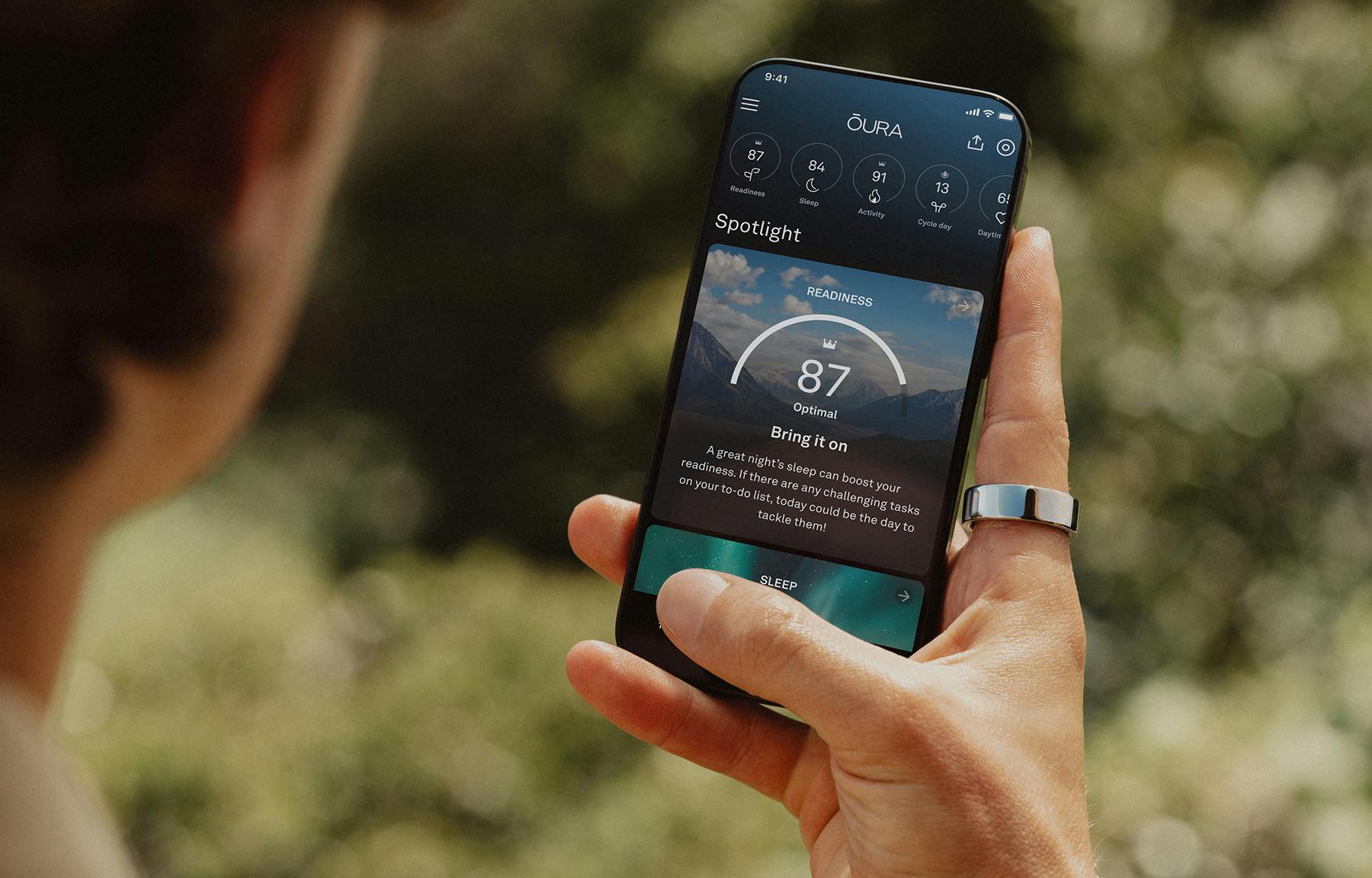
My Oura Ring showed a Readiness Score and Sleep Score in the 90s for the Olympic Gold Medal game! I felt super rested and energized going in. Seeing that data confirmation was such an awesome feeling—it really gave me that extra boost of confidence.
Tell us how you generally use Oura while training. What metrics do you take into account?
I pay close attention to my steps. I don’t wear my ring on the ice, but when I’m off-ice, I always want to make sure I’m hitting my 10,000 steps. I track my activity to get a good read on how to best prepare for on-ice sessions or games. I’m always wanting to be at my best!
What are the most surprising insights you’ve learned about your health since using Oura?
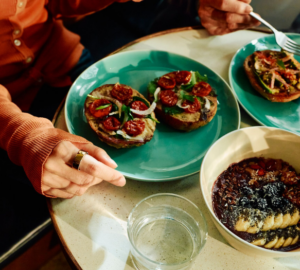
One thing that really stood out was seeing how certain foods or drinks, especially in the evening, affect my sleep. Sleep is something I care deeply about—it’s key to performing at my best—so learning how controllable factors like diet can improve it has been incredibly valuable.
RELATED: 8 Foods and Drinks For Better Sleep
Looking back at your Olympic journey, you’ve faced challenges like a knee injury and not making Team USA the first time. How did you overcome these—mentally and physically?
I’ve been fortunate to avoid major injuries for the most part, but the challenges I have faced—like my knee injury or not making the team initially—taught me how to persevere. Having the support of friends and family was invaluable.
Off the ice, I focus on making the most of the situation by exploring new hobbies and personal growth opportunities. It helped me realize I am more than just a hockey player. Today, I define resilience as maintaining the mindset to keep moving forward and staying in a positive headspace, even when faced with setbacks.
RELATED: Resilience: Improve Your Ability to Recover From Stress
For the young girls watching you win Gold, what is the one non-negotiable habit you’ve adopted that you wish you’d known 10 years ago?
I’ve learned the importance of finding a routine that keeps me grounded, especially before bed. My skincare is a non-negotiable habit that I always have to do—I love trying new products!
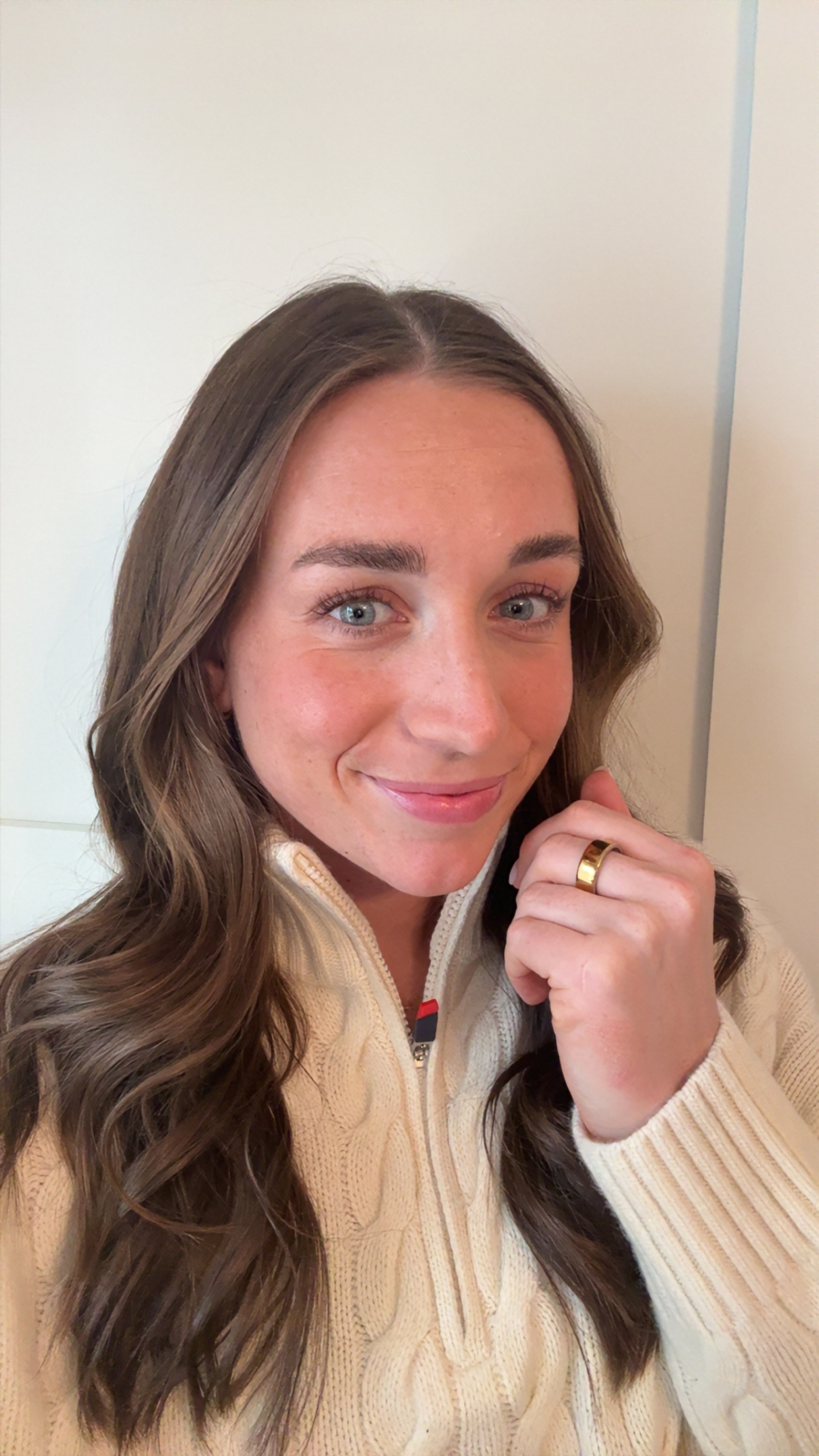 Lightning round… Morning person or night owl?
A little bit of both—it really depends on how many hours of sleep I get.
Must-have for a good night’s sleep?
A very thick sleep mask. I don’t want to see any light!
First Oura data point you look at in the morning?
My Sleep Score.
#1 « hype song » on your training playlist?
Anything by Don Toliver and Tate McRae.
Signature Italian dish to celebrate with?
Vodka pasta with penne and chicken.