



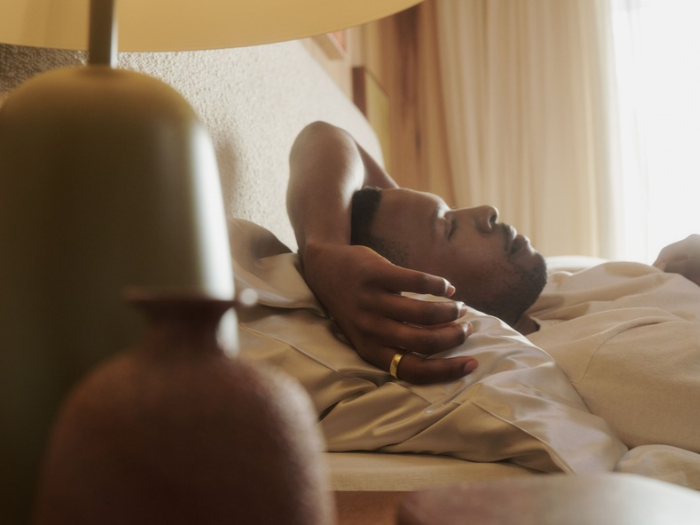
When it comes to sleep, most people focus on how long they’re asleep, or the duration of sleep. While sleep duration is important (most adults should aim for 7 or more hours), sleep regularity—or consistent bed and wake times—is an often overlooked yet essential element of good sleep.
In fact, recent research suggests that sleep consistency—going to bed and waking up at the same time—may be a stronger predictor of longevity than how long you sleep.
| Member Tip: Oura’s sleep regularity contributor measures how consistent your bedtime and wake-up times have been during the previous two weeks. |
The Circadian Rhythm And Sleep Consistency
Your circadian rhythm is a roughly 24-hour internal clock that manages your sleep, hormone release, body temperature, hunger, and digestion. A consistent schedule keeps these rhythms synchronized.
When your sleep timing shifts, these rhythms are affected. For example, cortisol, which regulates stress, may be released at odd times or in more erratic ways. Researchers think this kind of circadian disruption may affect cardiovascular and metabolic health over time.
READ MORE: The Science of Sleep: Your Circadian Rhythm & Sleep-Wake Cycle
| Member Tip: Use Tags to log changes in your circadian rhythm such as late meals or caffeine, then look at how those nights compare in your Sleep Score. You can spot patterns across a few weeks. |
How Does Sleep Regularity Improve Sleep Quality?
More regular sleep timing is correlated with falling asleep faster and sleeping more efficiently. In a 2024 study in Frontiers in Sleep, people with more regular sleep tended to sleep longer, fall asleep faster, and rate their sleep quality higher.
Melatonin may help explain why an irregular schedule can make it harder to fall asleep. Your body releases melatonin to prepare you for sleep, and when your sleep times shift day to day, the timing of the release may shift too. In a Brigham and Women’s Hospital study of college students, the most irregular sleepers released melatonin 2.6 hours later than regular sleepers.
READ MORE: Understanding Sleep Latency & How to Fall Asleep Faster
How Does Sleep Regularity Impact My Long-Term Health?
Emerging research is finding a correlation between irregular sleep and a higher risk of health concerns such as cardiovascular disease, dementia, and impaired glucose metabolism.* In a 2024 study in SLEEP of more than 60,000 UK adults wearing wrist trackers, sleep regularity was a stronger predictor of all-cause mortality than sleep duration.
In preliminary research presented at the American Heart Association’s Scientific Sessions 2026, researchers analyzed more than 1 million nights of wearable sleep data. Adults with highly inconsistent bedtimes or varying sleep duration from night to night were linked to a higher risk of heart attack, stroke, heart failure, and other cardiovascular events. Each 29-minute increase in how much a person’s sleep length varied from night to night was associated with a 24% higher risk of the combined cardiovascular outcome.
Sleep regularity may also be linked to cognition. In a 2025 study in Sleep Medicine of 458 adults aged 45 to 89 who reported sleep or cognitive concerns, more regular sleep correlated with better cognitive scores. People with moderately regular sleep also had higher levels of BDNF, a protein that supports memory. The most rigid sleep schedules showed no added benefit for BDNF, so a fairly consistent routine may matter more than a perfect one.
How Can I Get a More Accurate Understanding of My Sleep Quality?
Sleep quality has several dimensions: how long you slept, how efficiently, at what time, and how steady that timing has been across weeks.
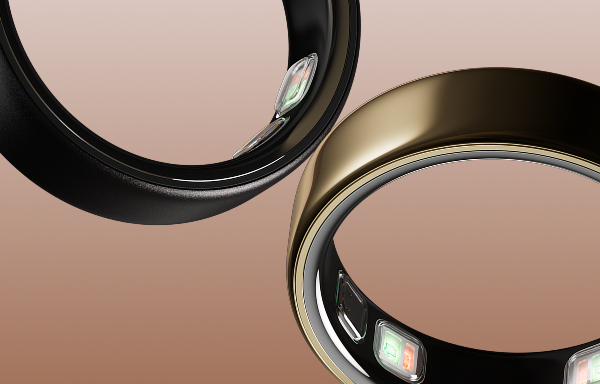
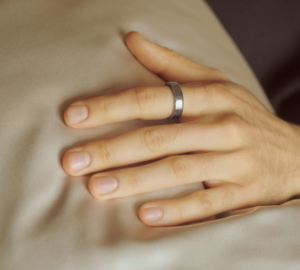
A smart ring like Oura shows you these patterns using five key sleep features:
| Feature | What it shows | How to use it |
| Sleep Regularity | A Readiness contributor that measures how consistent your bedtime and wake-up times have been over the past two weeks. | If it drops to Fair or Pay Attention, find a more consistent wake-up time you can keep on most days and set your bedtime from there. |
| Chronotype | One of six morning or evening types, estimated from your sleep timing, activity, and body temperature trends after 40 to 90 days. | Choose a schedule that fits your type, so it’s one you can sustain. |
| Timing | A Sleep Score contributor that reflects whether your sleep lines up with your circadian rhythm, taking your chronotype into account. | Check it after late nights to see how far your sleep moved. |
| Body Clock | A 24-hour clock face comparing your optimal sleep window with your recent sleep. | See at a glance how far your real schedule sits from your ideal one. |
| Bedtime Guidance | A personalized bedtime window. The card appears on your Today tab an hour before it opens. | Treat it as your wind-down cue. Missing the window doesn’t affect your scores. |
RELATED: Unlock Your Best Rest: How Oura Calculates Your Ideal Bedtime Window
Can You “Catch Up” on Sleep on the Weekend?
Sleeping in on the weekend may ease your sleepiness in the short term, but it can throw your circadian rhythm out of balance.
This weekly shift is known as «social jetlag”—the discrepancy between your internal biological clock and your social or work obligations.
If you push your internal clock out of balance often, it can start to take a toll on your long-term health. That’s why a consistent sleep schedule is important, even on the weekends.
READ MORE: Can You Catch Up on Lost Sleep?
Tips to Build A More Consistent Sleep Schedule
Building a more consistent sleep schedule can help combat the grogginess that comes with sleep irregularity. Here are 4 things you can try to improve your sleep quality:
- Set an alarm for your target wake-up time. Pick a wake-up time you can keep on most days, weekends included.
- Find a wind-down cue. Give yourself some time before bed for something relaxing, like reading or meditation. Bedtime Guidance notifications can prompt you.
- Get morning light. Light is the dominant environmental cue that synchronizes your body’s 24-hour internal clock to the external solar cycle.
- Add sleep at the front. When you need more sleep, try going to bed earlier instead of sleeping late.
| Member Tip: Explore guided meditations or breathing exercises in the Oura App to help with your wind-down routine. |
READ MORE: 14 Ways to Unwind Before Bed and Sleep More Soundly
Frequently Asked Questions
How can I get a more accurate understanding of my sleep quality?
You can use Oura Ring to track several aspects of your sleep over several weeks instead of judging one night by its total hours. You can explore the duration, efficiency, timing, and regularity in the Oura App and see how it impacts your overall Sleep Score.
What should I look for when choosing a sleep tracker?
Look for a sleep tracker that measures sleep timing, regularity, and duration, compares it with your own baseline, and is comfortable enough to wear every night. Oura Ring gives you a personalized Sleep Score that can show patterns in your sleep and help you adjust accordingly.
Why do I wake up tired after 8 hours of sleep?
One possible reason is irregular sleep-wake times. If your bedtime and wake-up time shift from day to day, you may experience circadian misalignment. Other causes include fragmented sleep, alcohol, stress, and sleep disorders. If you experience persistent tiredness, speak with a healthcare provider.